Biodiversity net gain (BNG) assessments
Straightforward biodiversity net gain assessments for planning applications.
Most developments now require biodiversity net gain (BNG) assessments. For many projects, this means demonstrating that your site will deliver at least a ten percent measurable improvement in biodiversity compared with its original condition.
We make the process simple. Our team carry out the necessary habitat surveys, complete the statutory metric, and provide clear, proportionate recommendations tailored to your project and local planning authority.
Whether you are working on a rural diversification project or a larger development where biodiversity net gain applies, we help you understand exactly what is required and how to achieve it.
What is biodiversity net gain?
Biodiversity net gain is a planning requirement designed to ensure development leaves nature in a measurably better state than before. It applies to most planning applications and will increasingly shape how sites are designed, enhanced and managed.
A BNG assessment typically involves:
Establishing a baseline habitat value using UKHab 2.0 habitat classification
Using the statutory BNG metric to calculate biodiversity units
Identifying opportunities to increase or enhance habitat value
Preparing a long-term habitat management and monitoring plan
We guide you through each step in a clear and practical way.

When is a BNG assessment needed?
A BNG assessment is usually required when:
You are submitting a full or outline planning application
Your development affects habitats or green space
You are modifying or removing hedgerows, grassland, woodland or scrub
Your planning authority has specific BNG policies
You are developing on greenfield or semi-natural land
Some small sites, householder applications and exemptions exist, but the rules are changing. If you are unsure, send us your plans and we will advise.
Not sure what you need?
Send us your plans or a brief description of your project, and we’ll confirm what is required and when.
Our BNG services
We provide the full suite of biodiversity net gain assessments and reporting.
BNG baseline assessments
We map and assess all habitats on your site using the UKHab 2.0 classification system. This creates a clear, defensible baseline for the BNG metric.
Includes:
Accurate habitat mapping
Condition assessments
Drone surveys of the site
GIS-ready plans and data
Photographs and supporting evidences.
BNG calculations using the statutory metric
We complete the metric in full, identifying:
Baseline biodiversity units
Losses and gains under the proposed design
Opportunities to improve habitat quality or create new habitats
Whether the site meets the ten percent requirement
Additional measures needed to achieve compliance

BNG for small sites
Small development sites where biodiversity net gain applies can often meet requirements through simple, proportionate measures. We focus on the least complex approach needed to achieve compliance and support planning approval. Common solutions include:
Small-scale planting
Hedgerow enhancement
Appropriate landscaping
Small habitat features integrated into design
If your project qualifies for a reduced or simplified BNG route, we will advise you at the outset.
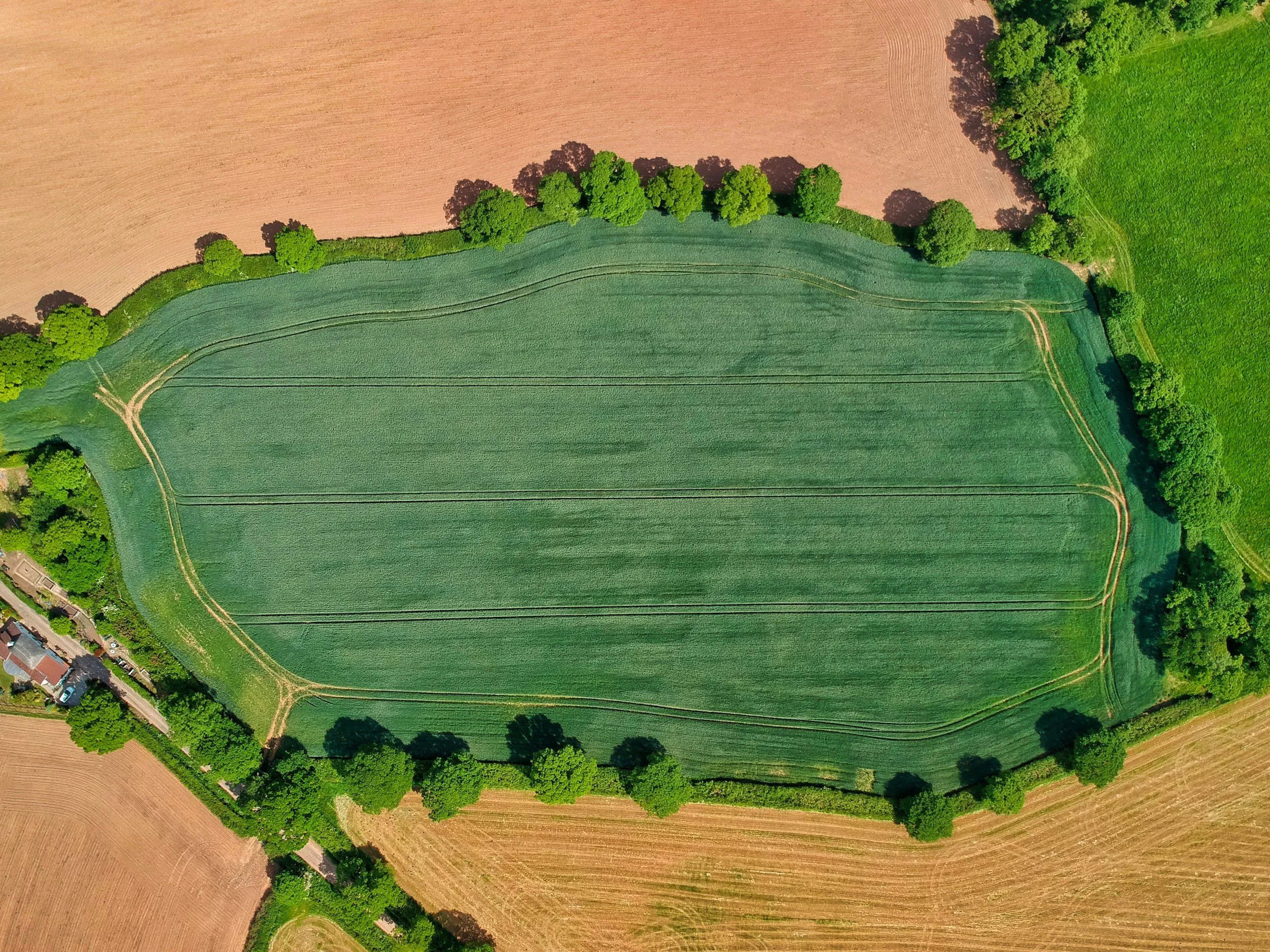
BNG for larger developments
Larger sites may require:
Detailed habitat strategies
Targeted creation areas
Phased plans
Onsite or offsite unit solutions
Coordination with design teams, landscape architects and planning consultants.
We work collaboratively to identify the most efficient path to compliance.
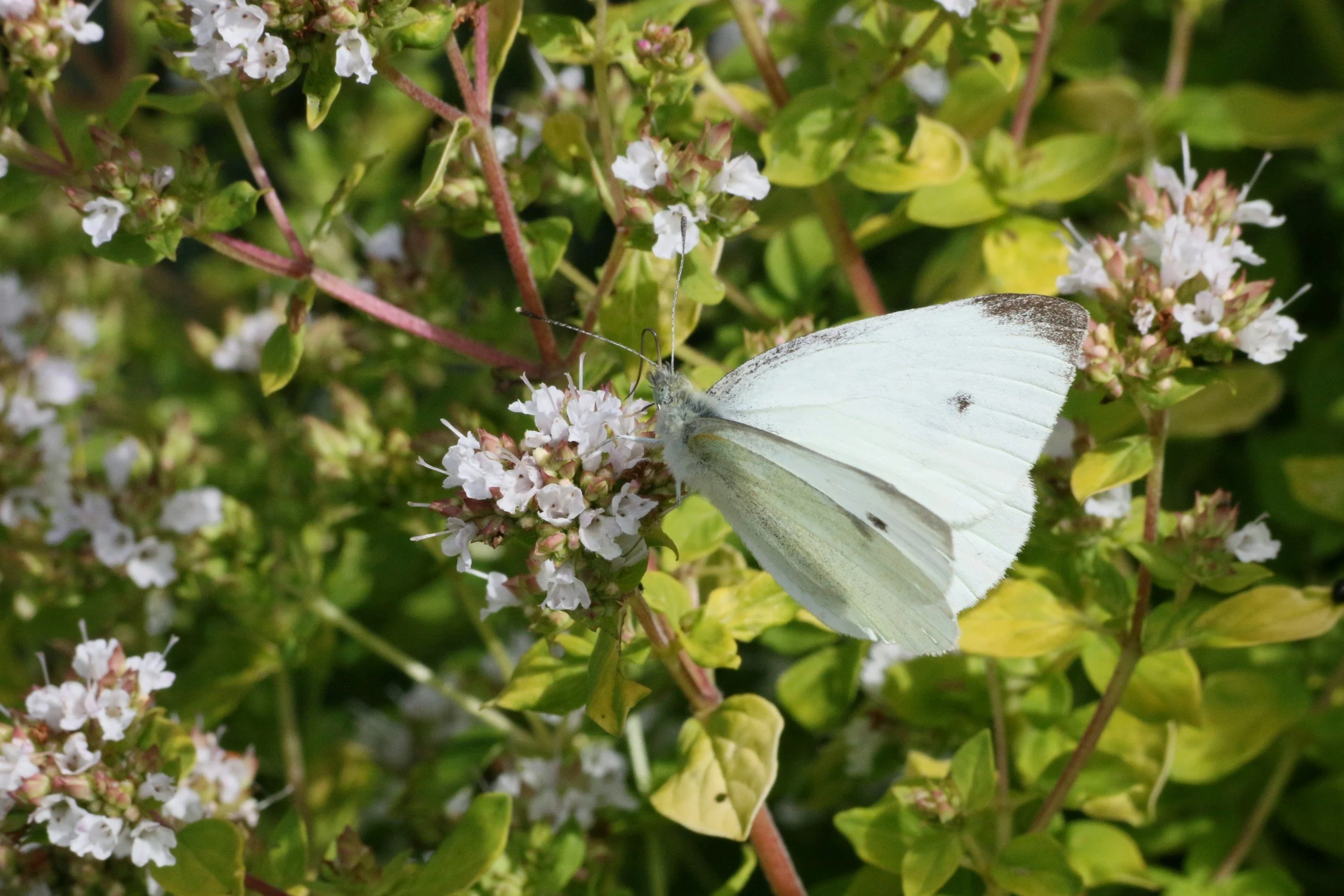
BNG relies on habitat assessments, which can be done most of the year. However, some habitats are easier to classify in spring and summer. If survey windows affect your project, we will explain the implications and suggest solutions.
Survey windows
Our planning-focused approach
Our role is to provide clear, robust surveys and reports that answer the questions planning officers and consultees expect to see, without unnecessary complexity or cost. Our reports are:
Clear – concise conclusions that address each ecological issue
Proportionate – we recommend only what is necessary for your project
Robust – based on current legislation and professional best practice
Planning-ready – structured to support efficient decision-making
Whether you are applying for a small home extension or a larger development, we explain what is required, why, and the simplest route through the planning process.
Our process
-
![Outline of a web browser window with a checkmark inside a circle on a green background.]()
Send us your plans
Email your drawings, site address and planning context. We will review and provide a fixed-fee quote within 24 hours.
-
![Icon of a location pin on a light green background.]()
Baseline habitat survey, metric and assessment
We complete a UKHab 2.0 survey to establish your baseline habitat value. We then run the metric, assess likely outcomes and identify feasible gains.
-
![Icon of multiple documents or pages stacked, with one document in the foreground showing lines of text, set against a green background.]()
Reporting and next steps
You receive a clear, planning-ready report with maps, metric outputs and recommendations.
-
![An illustration of a hand holding a circle with a checkmark inside, symbolizing verified or approved status, on a green background.]()
Ongoing support
We provide clarification to planning officers as needed and prepare management plans for conditions.




Areas we cover
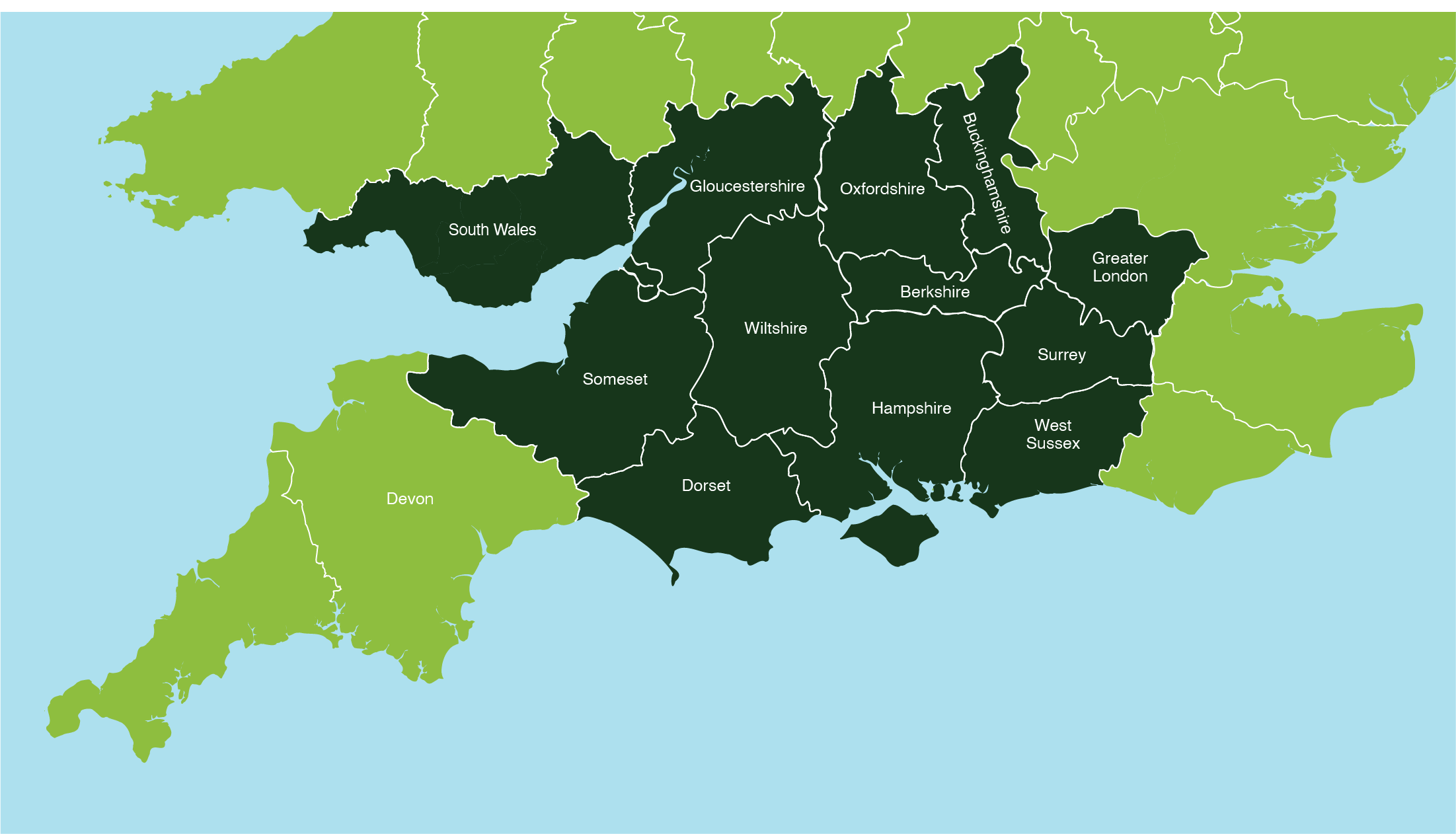
We provide licensing, mitigation and ecological supervision services across:
Wiltshire - Dorset - Somerset - Gloucestershire - South Wales - Oxfordshire - Berkshire - Buckinghamshire - Greater London - Surrey - Greater London - Berkshire - Buckinghamshire - West Sussex.
We can also travel to neighbouring areas by arrangement.