
Ecology surveys for planning
Clear, proportionate ecological surveys to support planning applications.
Most planning applications require some form of ecological assessment. Ecology surveys for planning provide the baseline information planning authorities need to understand the ecological value of a site and to decide whether further surveys or mitigation are required.
Types of ecology surveys for planning
We provide all surveys commonly required to support planning applications. The most appropriate survey depends on your site and proposal - in most cases, it is a preliminary ecological appraisal (PEA).
Breeding bird surveys
Ecological walkover survey

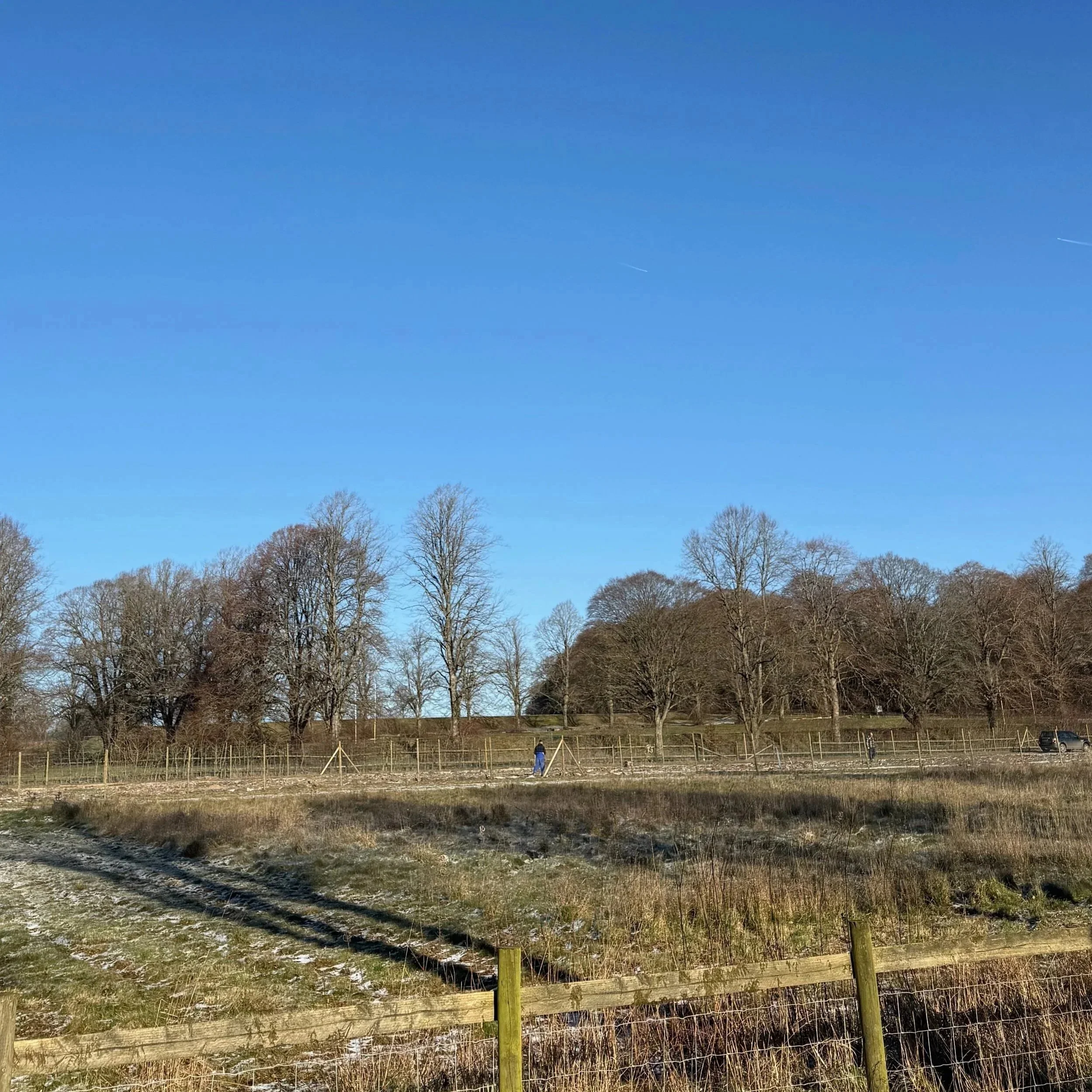
This is an early-stage site visit used to identify ecological constraints and opportunities and to inform design or feasibility before a planning application is submitted.
Phase 1 habitat survey
A habitat mapping survey identifies and records the types of habitat present on a site. Phase 1 surveys are now most often used as part of a PEA rather than as standalone reports.
Preliminary ecological appraisal (PEA)
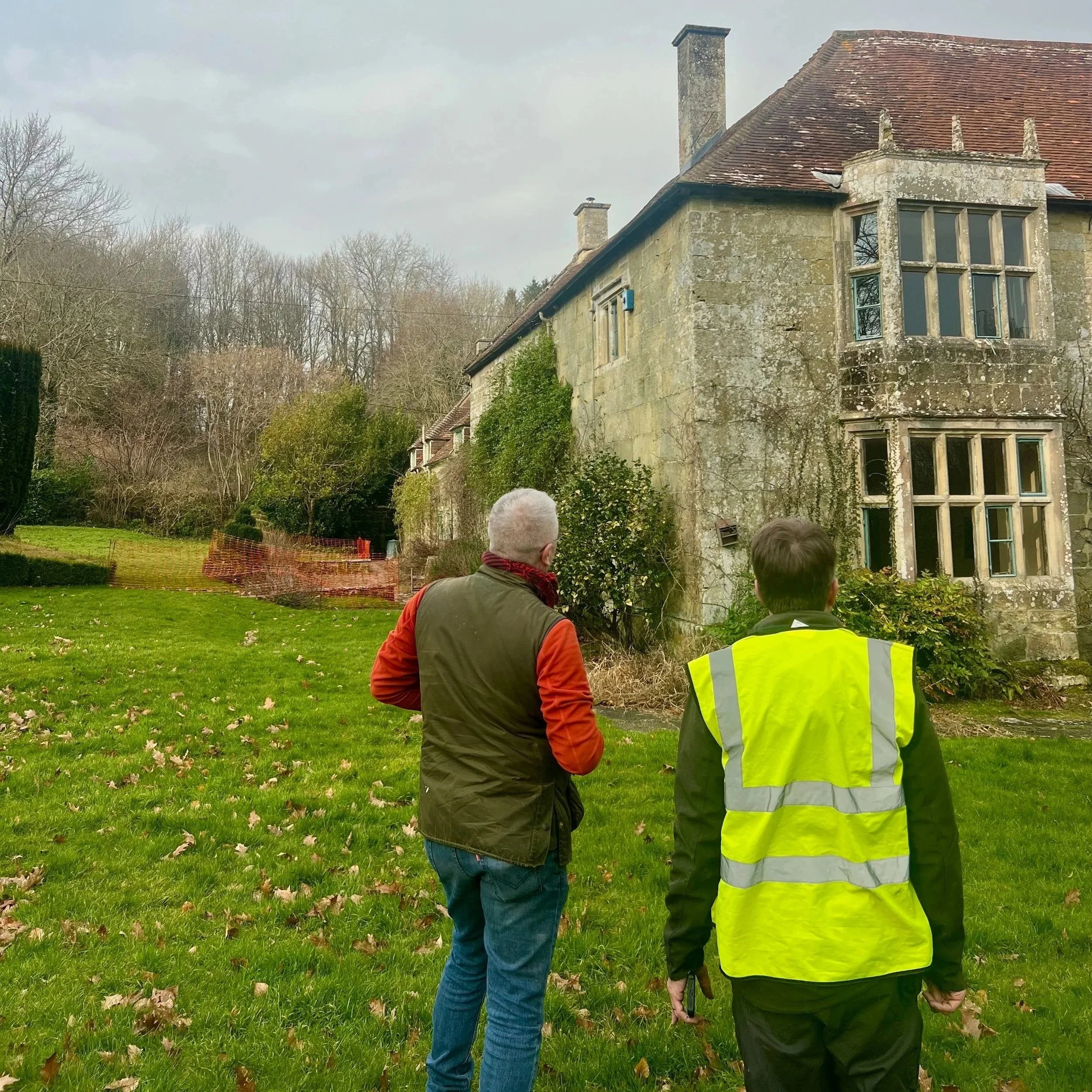
A Preliminary ecological appraisal (PEA) is the standard first step for most planning applications.
It brings together site survey information, habitat assessment and professional judgement into a single, planning-ready reports.
Preliminary roost assessment (PRA)
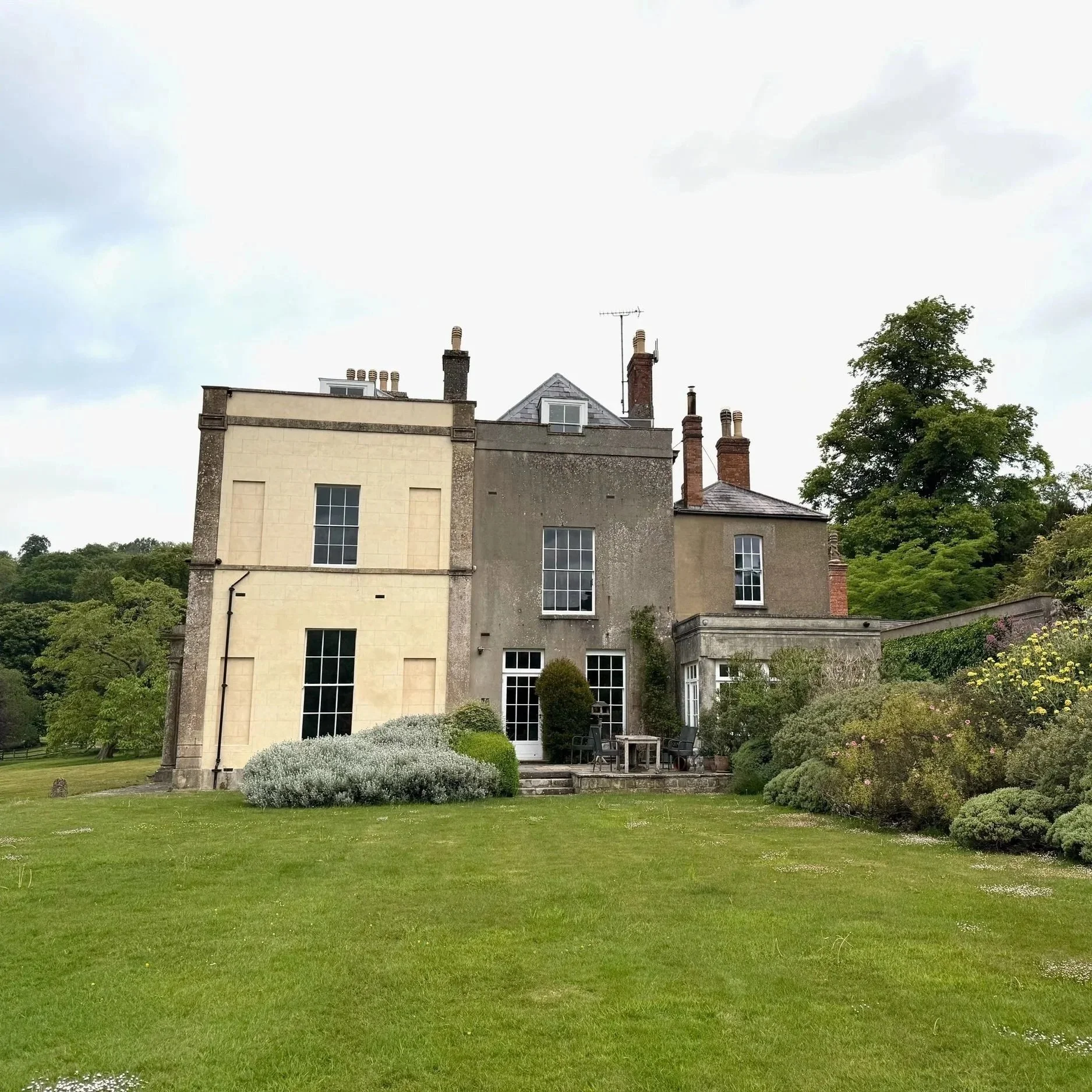
A preliminary roost assessment (PRA) is the first step in assessing whether a building or structure has the potential to support bats.
It involves an internal and external inspection by a licensed ecologist to identify features that could be used by bats and to assess whether further survey work is required.
See: Possible outcomes of a preliminary roost assessment and what each outcome requires by way of bat surveys.
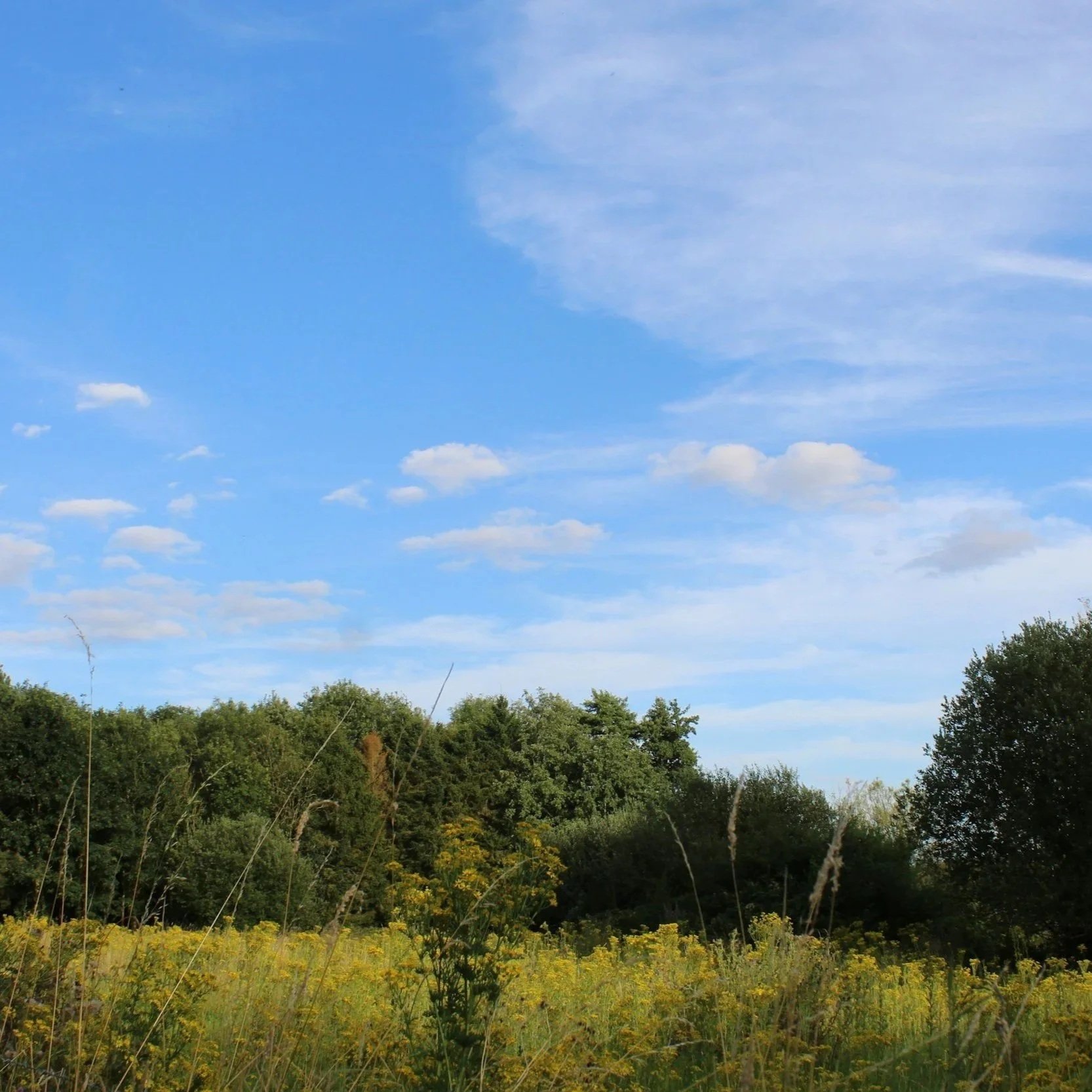
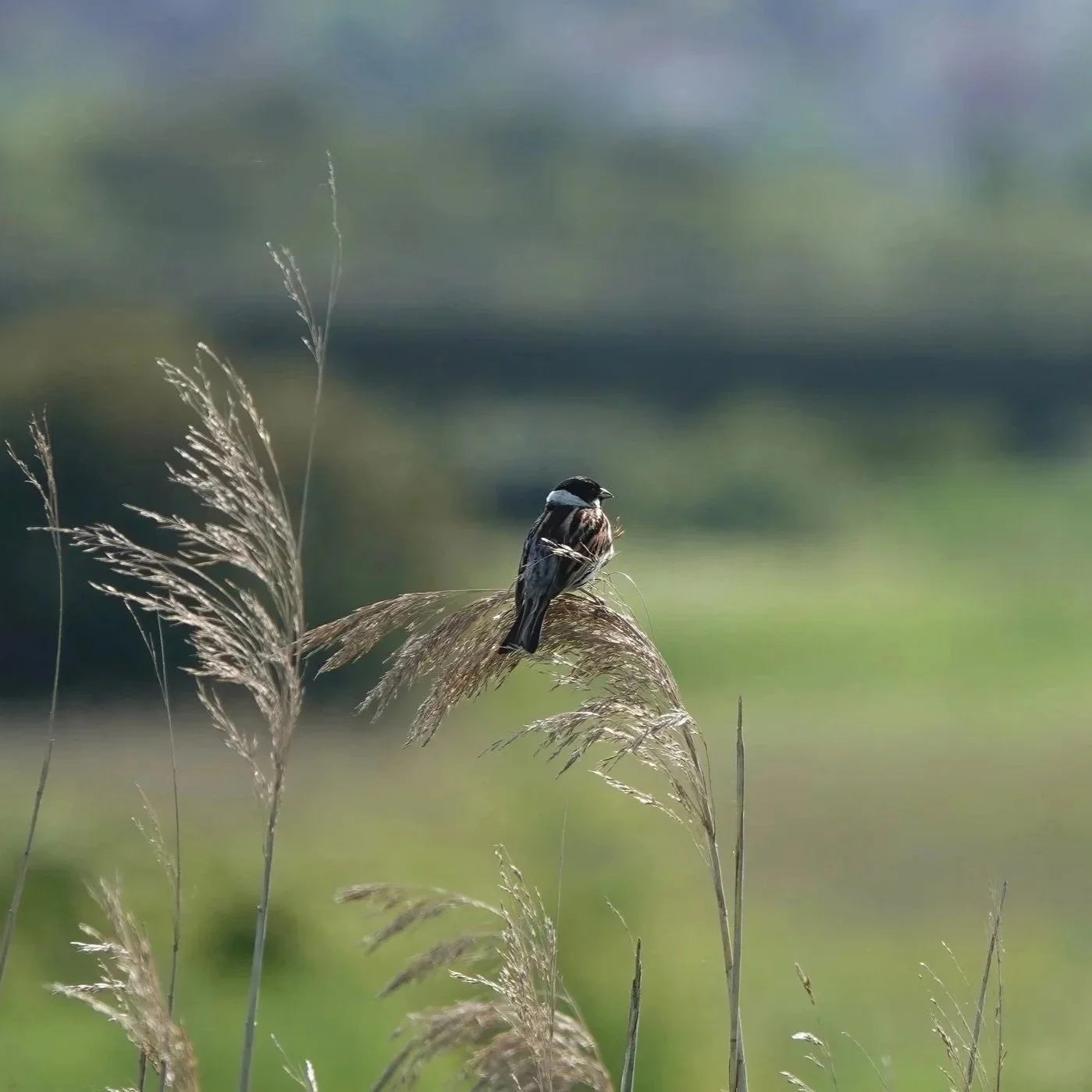
Breeding bird surveys are carried out to assess whether nesting birds may be affected by a proposed development.
They involve site checks by an ecologist to identify active nests or suitable nesting habitat and to confirm whether works can proceed, need to be timed appropriately, or require mitigation. Where no nesting birds are present, a breeding bird survey can often be used to support a planning application or discharge a planning condition without further action.
UK Habitat (UKHab) survey
This is a detailed habitat survey that classifies habitats and their condition using the UKHab system. UKHab surveys are commonly used to support biodiversity net gain assessments and are often incorporated into a PEA.
When is an ecology survey needed?

An ecology survey is often required where:
A development affects a building, tree, hedgerow or land that could support wildlife
A local planning authority requests ecological information
A site lies within or near a designated area
A planning application, prior approval or lawful development certificate is being submitted
Biodiversity net gain needs to be demonstrated
Not sure what you need?
For most sites, the correct starting point is a preliminary ecological appraisal (PEA). Send us your plans or a brief description of your project, and we’ll confirm what is required and when.
Our planning-focused approach
Our role is to provide clear, robust surveys and reports that answer the questions planning officers and consultees expect to see, without unnecessary complexity or cost. Our reports are:
Clear – concise conclusions that address each ecological issue
Proportionate – we recommend only what is necessary for your project
Robust – based on current legislation and professional best practice
Planning-ready – structured to support efficient decision-making
Whether you are applying for a small home extension or a larger development, we explain what is required, why, and the simplest route through the planning process.
Our process
-
![Icon of a computer window with a checkmark inside a circle, indicating success or completion.]()
Send us your plans
Email your drawings, site address and planning context. We will review and provide a fixed-fee quote within 24 hours.
-
![White location pin icon on a green background.]()
Site survey
We visit the site and complete the assessment.
-
![Icon of three overlapping documents with text lines on a green background.]()
Reporting
You receive documents tailored to your proposal and planning authority.
-
![An illustration of a hand holding a checkmark inside a circle, symbolizing approval or verification, on a green background.]()
Support through planning
If planning officers or contractors have questions, we provide prompt clarification.




Areas we cover
We provide licensing, mitigation and ecological supervision services across:
Wiltshire - Devon - Somerset - North Somerset - City of Bristol - Bath and North East Somerset - Monmouthshire - Gloucestershire - South Gloucestershire - Hampshire - Southampton - Surrey - Greater London West Berkshire - Swindon - Reading - Wokingham - Windsor and Maidenhead - Slough - West Sussex
We can also travel to neighbouring areas by arrangement.
