Licensing, mitigation and supervision
Clear, practical support to deliver development lawfully where protected species are involved.
Where ecological surveys identify protected species, or where impacts cannot be fully avoided, planning permission often requires licensing, mitigation and on-site ecological supervision.
We provide clear, proportionate support to help developments proceed legally and smoothly. Our role is to guide you through the process, prepare the required documentation and oversee works on site where necessary, so that planning conditions and legal requirements are met without unnecessary delay or disruption.
Most projects can still proceed with the right approach.
What is licensing, mitigation and supervision?
UK wildlife legislation protects certain species and their habitats.
Where development may affect these species, a licence and agreed mitigation measures may be required before works can begin.
Planning authorities rely on these measures to ensure that development is carried out legally, responsibly and with appropriate safeguards in place.
Ecological supervision ensures that agreed mitigation is implemented correctly on site and that works remain compliant throughout construction.
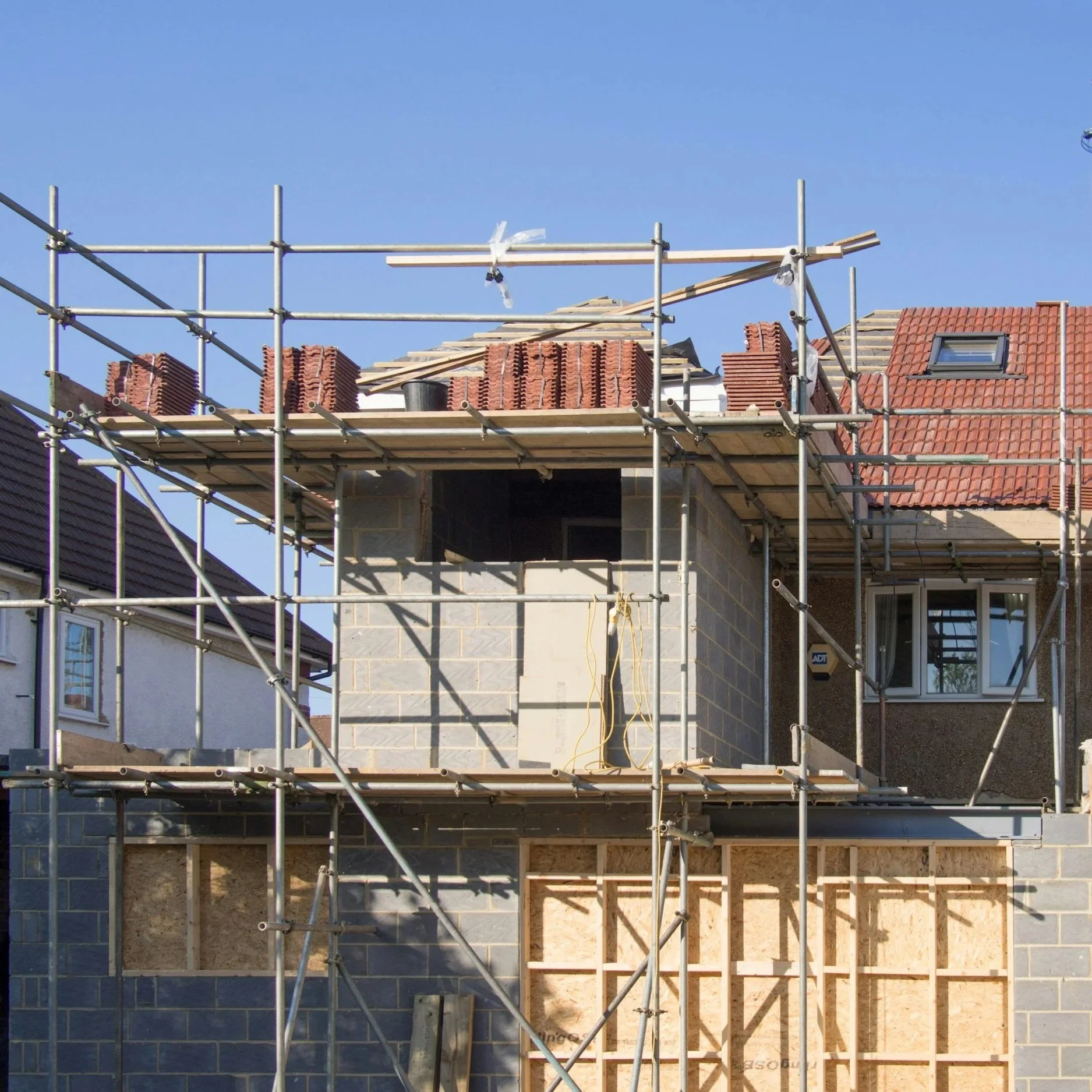
When is licensing or mitigation required?
Licensing, mitigation or ecological supervision is commonly required where:
Protected species are present and may be affected by development
Survey results confirm roosts, breeding sites or resting places
Impacts cannot be fully avoided through design
A planning condition requires a licence or mitigation strategy
Works must be supervised to comply with wildlife legislation
Not sure what you need?
Send us your plans or a brief description of your project, and we’ll confirm what is required and when.

Our licensing, mitigation and supervision services
We provide all services commonly required where protected species or sensitive habitats are involved.
Protected species licensing
We prepare licence applications where required, including:
European protected species licences (bats, great crested newts, dormice)
Supporting documentation and evidence
Liaison with Natural England or relevant authorities
We guide you through the process and advise on realistic timescales and requirements.
Mitigation design and method statements
Where impacts cannot be avoided, we design clear, proportionate mitigation measures, including:
Mitigation strategies to support licence applications
Ecological method statements for construction
Avoidance and protection measures
Timing and phasing of works
These documents are commonly required to discharge planning conditions.
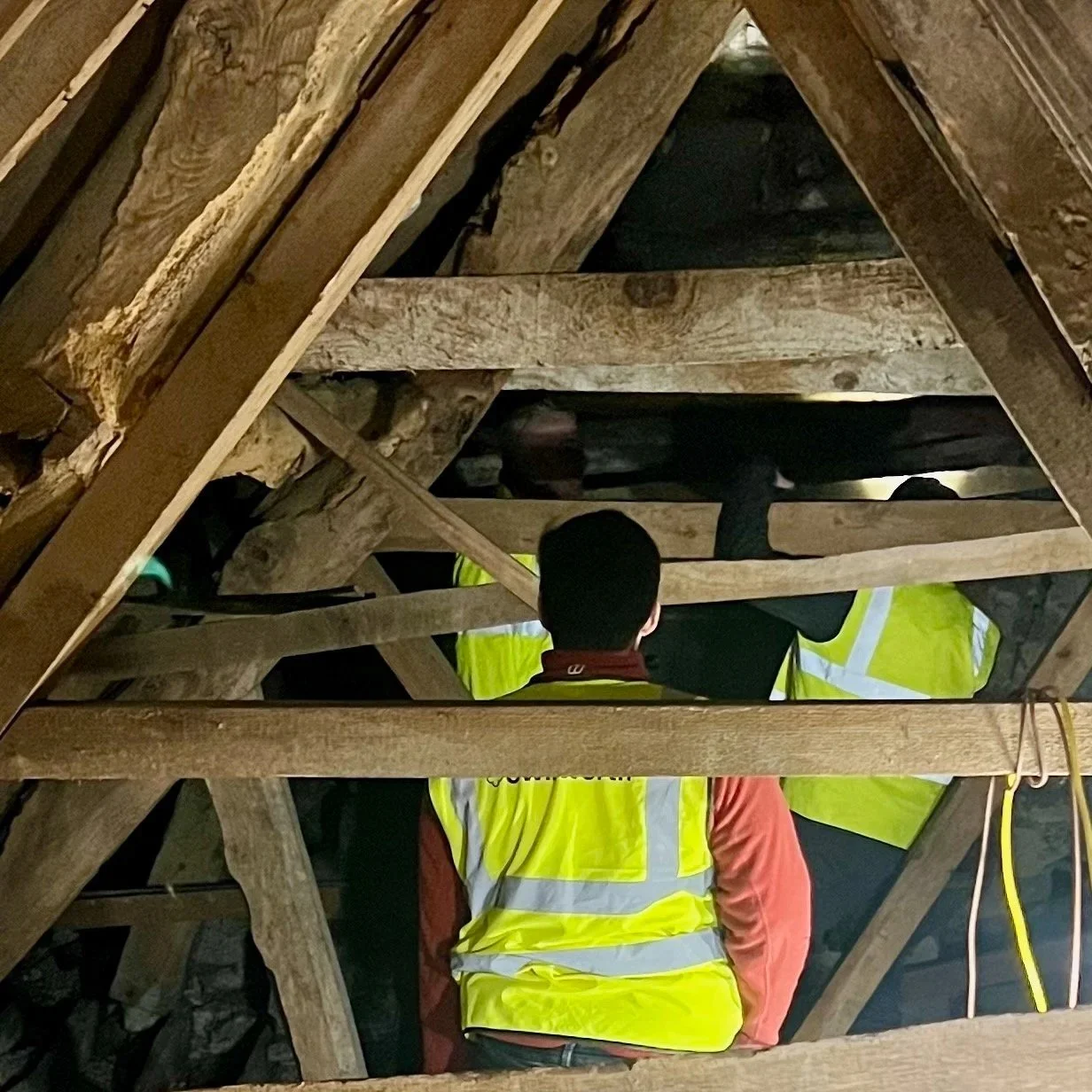
Ecological supervision (ECoW)
Ecological supervision, also known as an Ecological Clerk of Works (ECoW), provides on-site support during sensitive works.
This may include:
Pre-commencement checks
Toolbox talks and site inductions
Watching briefs during demolition, clearance or groundworks
Advice to contractors during works
Compliance recording and reporting
This helps ensure works proceed smoothly and legally.
A planning-focused approach
Our role is to provide clear, robust surveys and reports that answer the questions planning officers and consultees expect to see, without unnecessary complexity or cost. Our reports are:
Clear – concise conclusions that address each ecological issue
Proportionate – we recommend only what is necessary for your project
Robust – based on current legislation and professional best practice
Planning-ready – structured to support efficient decision-making
Whether you are applying for a small home extension or a larger development, we explain what is required, why, and the simplest route through the planning process.
Our process
-
![Icon of a web browser window with a checkmark inside a circle, symbolizing a successful or confirmed online action.]()
Review survey results and proposals
We assess survey findings and confirm whether licensing, mitigation or supervision is required.
-
![Icon of three stacked documents with a green background.]()
Prepare documentation
We prepare licence applications, method statements and mitigation strategies as needed.
-
![A white line drawing of a hand holding a circle with a checkmark inside on a green background.]()
Liaison and approval
We liaise with planning authorities and statutory bodies to support approval.
-
![White location pin icon on a green background.]()
On-site supervision and support
Where required, we provide ecological supervision during works and confirm compliance.




Areas we cover
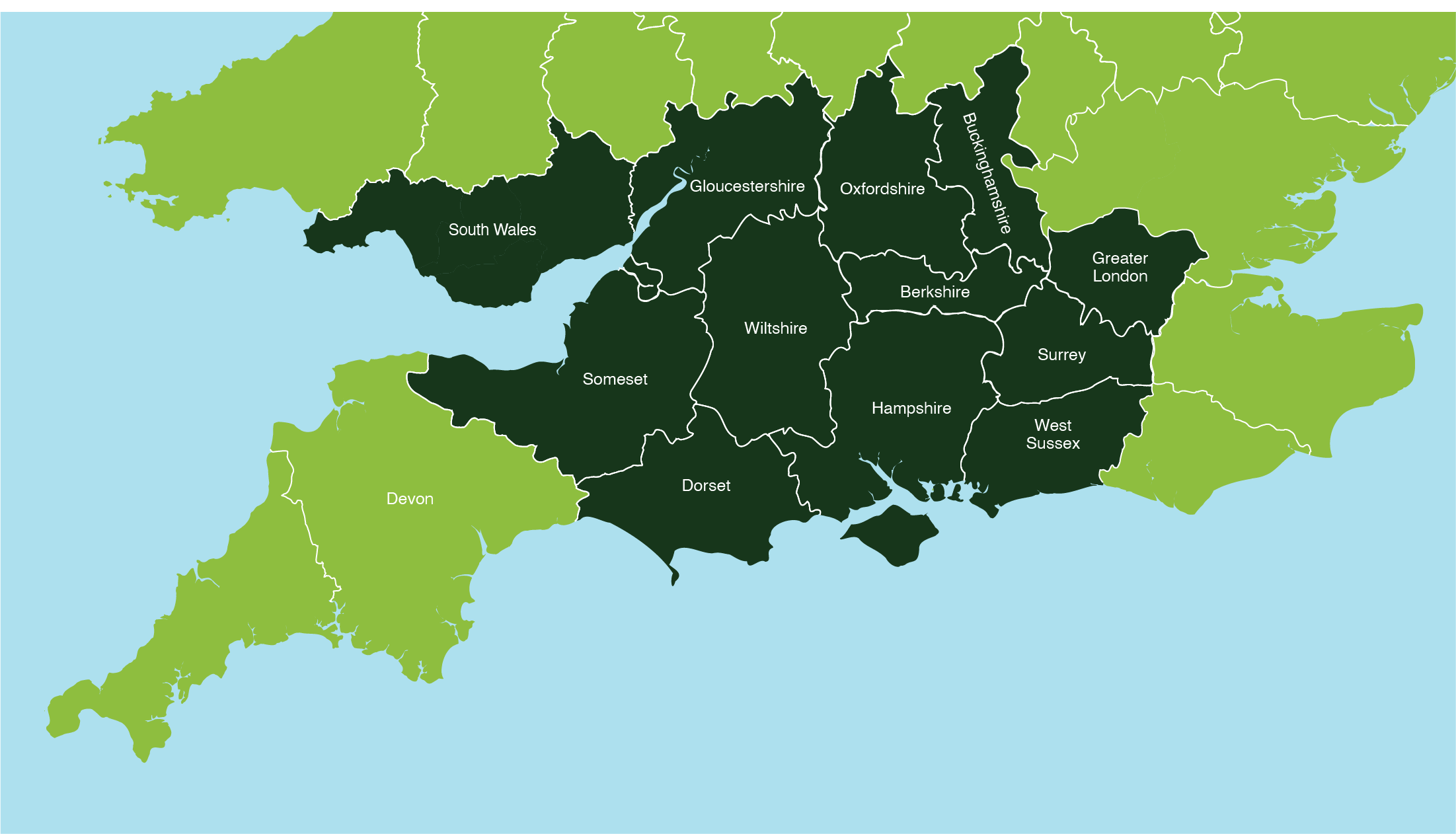
We provide licensing, mitigation and ecological supervision services across:
Wiltshire - Dorset - Somerset - Gloucestershire - South Wales - Oxfordshire - Berkshire - Buckinghamshire - Greater London - Surrey - Greater London - Berkshire - Buckinghamshire - West Sussex.
We can also travel to neighbouring areas by arrangement.