
Bats and building work: why it’s rarely a barrier
Finding out there may be bats in your roof, barn or outbuilding can feel like bad news. For many homeowners and developers, it immediately raises concerns about delays, added cost, or even whether a project can go ahead at all. In reality, the opposite is usually true. Having bats on your property rarely prevents development. With the right advice early on, most projects move forward smoothly, and any mitigation required is often simple, practical and proportionate.
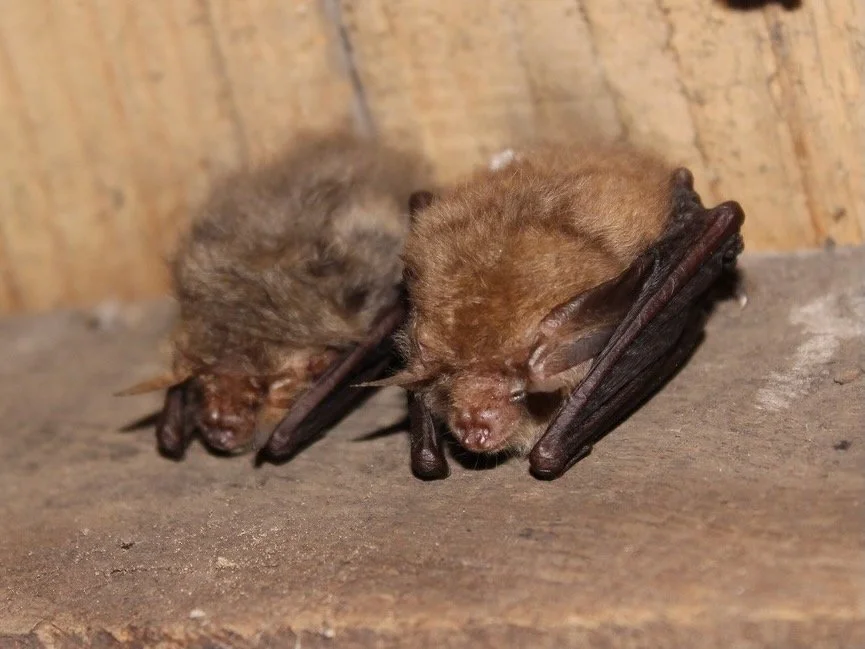
Bats are protected — but development is still possible
All bats and their roosts are protected under UK law. This means they must be considered as part of the planning process.
However, this protection is not designed to stop development. It exists to make sure work is carried out responsibly, with impacts properly managed.
There is a clear, well-established process that allows building work to proceed legally where bats are present.
What usually happens in practice
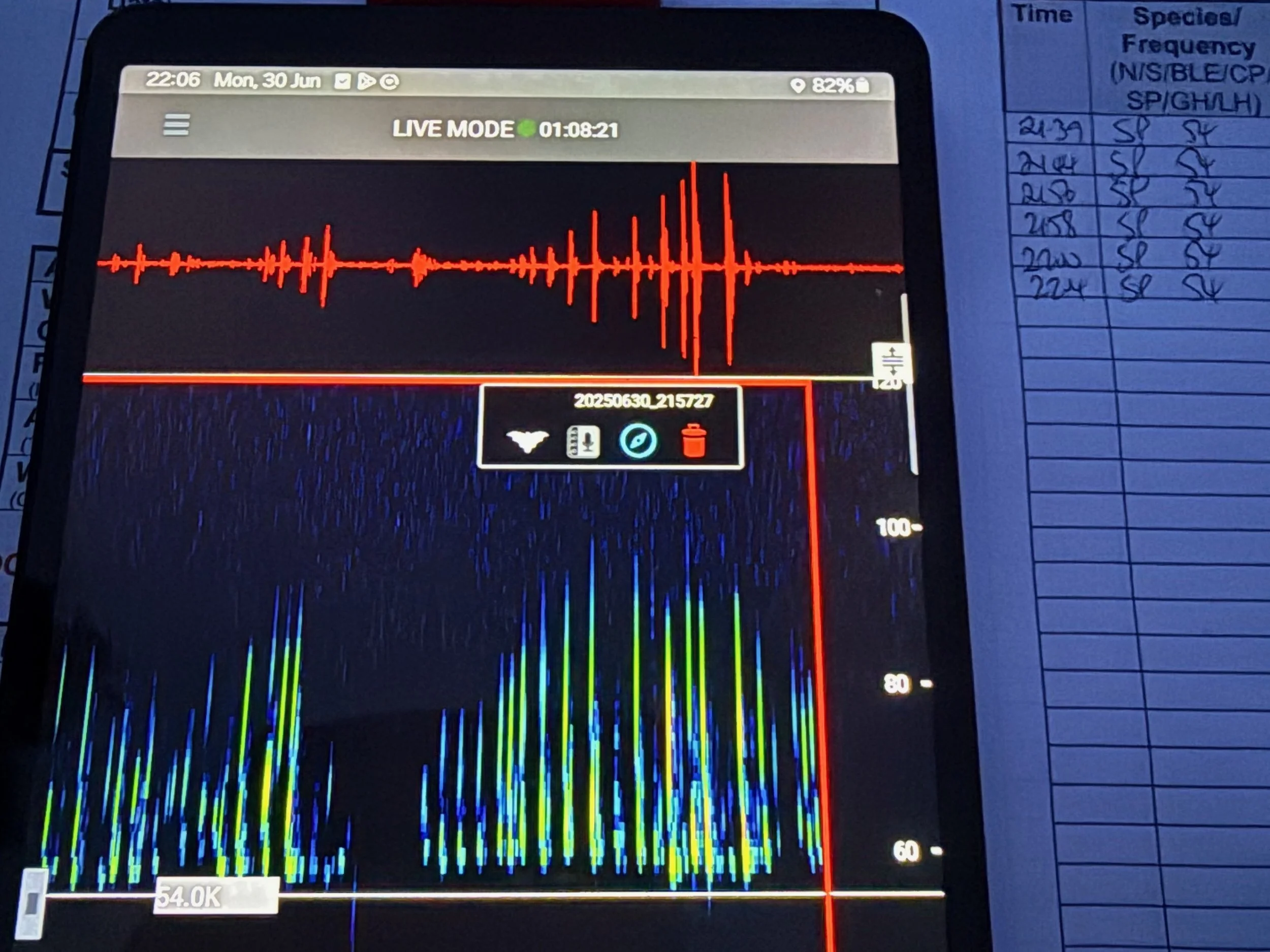
Every project starts with understanding whether bats are actually present.
If surveys find no bats, there is typically no further action needed.
If bats are present, your ecologist will set out a mitigation strategy. This forms part of the planning process and, where required, supports a licence application.
Crucially, this process is designed to enable development, not prevent it.
Mitigation is often simpler than people expect
One of the most common misconceptions is that bat mitigation is complex or expensive.
In most cases, it is neither.
Measures are tailored to the site and proportionate to the level of impact. Often, they are straightforward to incorporate into a project with minimal disruption.
Typical examples include:
Timing works appropriately Carrying out certain elements of work outside sensitive periods can avoid impacts altogether.
Maintaining or recreating access points Bats often return to the same entry points. Retaining or replicating these is usually simple.
Providing alternative roosting features This might include bat boxes, bat bricks, or small dedicated spaces within a building.
Carefully managed works on site In some cases, work can proceed with ecological supervision or phased approaches.
These are well-established, widely used solutions that can usually be built into designs without significant cost.
Cost and delays: where they really come from
Bats themselves are rarely the cause of major cost.
Delays and added expense are far more likely when bats are identified late in the process, after designs are fixed or work has started.
At that point, projects may need to pause while surveys or licences are completed.
By contrast, addressing bats early keeps things simple, predictable and cost-effective.
The key to a smooth project
The most straightforward projects tend to follow the same approach:
Consider bats early in the planning process
Carry out surveys at the right time of year
Build any mitigation into the design from the outset
This allows everything to move forward in a coordinated way, with no last-minute surprises.
A practical, balanced outcome
Bats have always lived alongside people, often using buildings as roosts.
The planning system doesn’t change that - it simply ensures development and wildlife can coexist.
With the right approach, it is entirely possible to improve or extend a property while meeting legal requirements and protecting bats.
In summary: Having bats on your property does not stop building work going ahead.
It simply means following a clear, manageable process — one that is designed to support both your project and the wildlife already there.
Need advice for your project?
At Wessex Ecology, we provide clear, practical advice to help you move your project forward with confidence
If you’re unsure whether bats may affect your plans, or want to understand the next steps, get in touch. We’ll explain what’s needed, when, and why - without unnecessary complexity.