
Dormouse survey to inform woodland management at a private Hampshire estate
A dormouse survey to inform proposed landscaping and woodland management works at a country house estate in Hampshire, confirming the presence of dormice and identifying the need for licensed mitigation.
The project
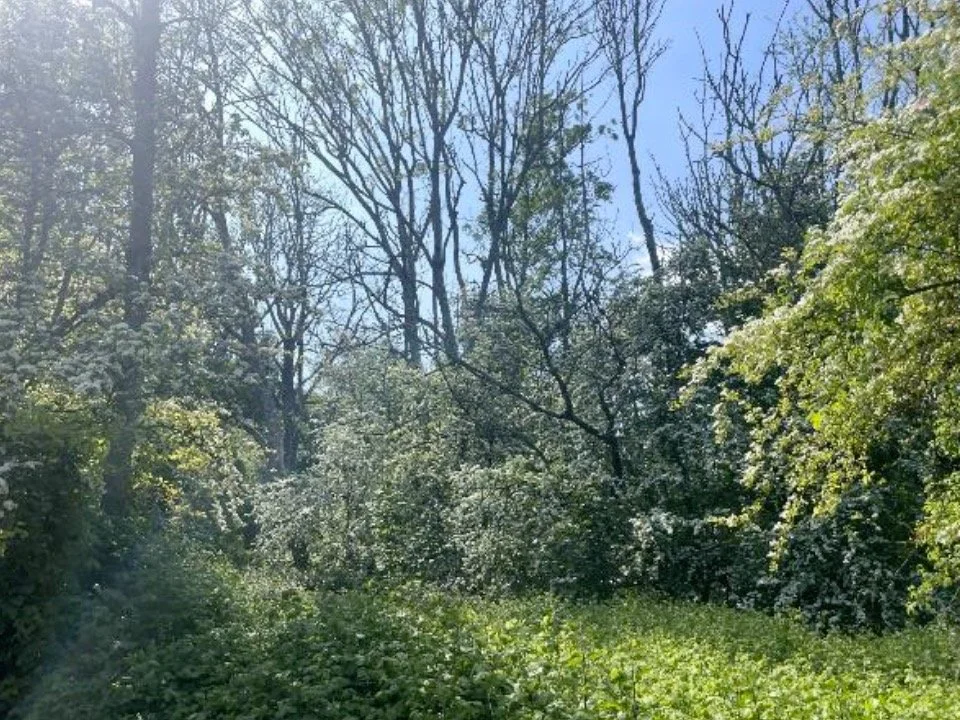
The project involved the grounds of Westbury House, a large rural property near West Meon, including areas of broadleaved woodland and scrub. Proposed works included landscape changes across the site and management of parts of the woodland, and the removal of a number of dead ash trees. As the site contained suitable dormouse habitat and records existed nearby, targeted surveys were required to inform how the works could be carried out lawfully.
Our role
Wessex Ecology was commissioned to complete a dormouse survey, supported by a desk study and a programme of footprint tunnel surveys carried out in accordance with current best practice guidance. Surveys were completed over the active season to assess habitat suitability and confirm the presence or absence of dormice within areas affected by the proposed works.
Outcome
The surveys confirmed the presence of dormice within the woodland on site, identifying them as an ecological constraint to woodland management. As a result, we recommended that any woodland management works be carried out under a European Protected Species Licence, obtained from Natural England. The findings provided the client with a clear and robust ecological baseline, allowing future works to be planned appropriately while ensuring legal compliance and the protection of the dormice.
Key facts
Location: West Meon, Hampshire
Sector: Rural development
Site type: Country house estate with woodland
Services provided: Dormouse desk study, dormouse footprint tunnel surveys, protected species advice