
Reptile survey to support redevelopment at a private estate in Hampshire
A reptile survey to inform redevelopment and landscaping works at a large rural estate in Hampshire, confirming a low population of slow worms and setting out proportionate measures to manage ecological risk.
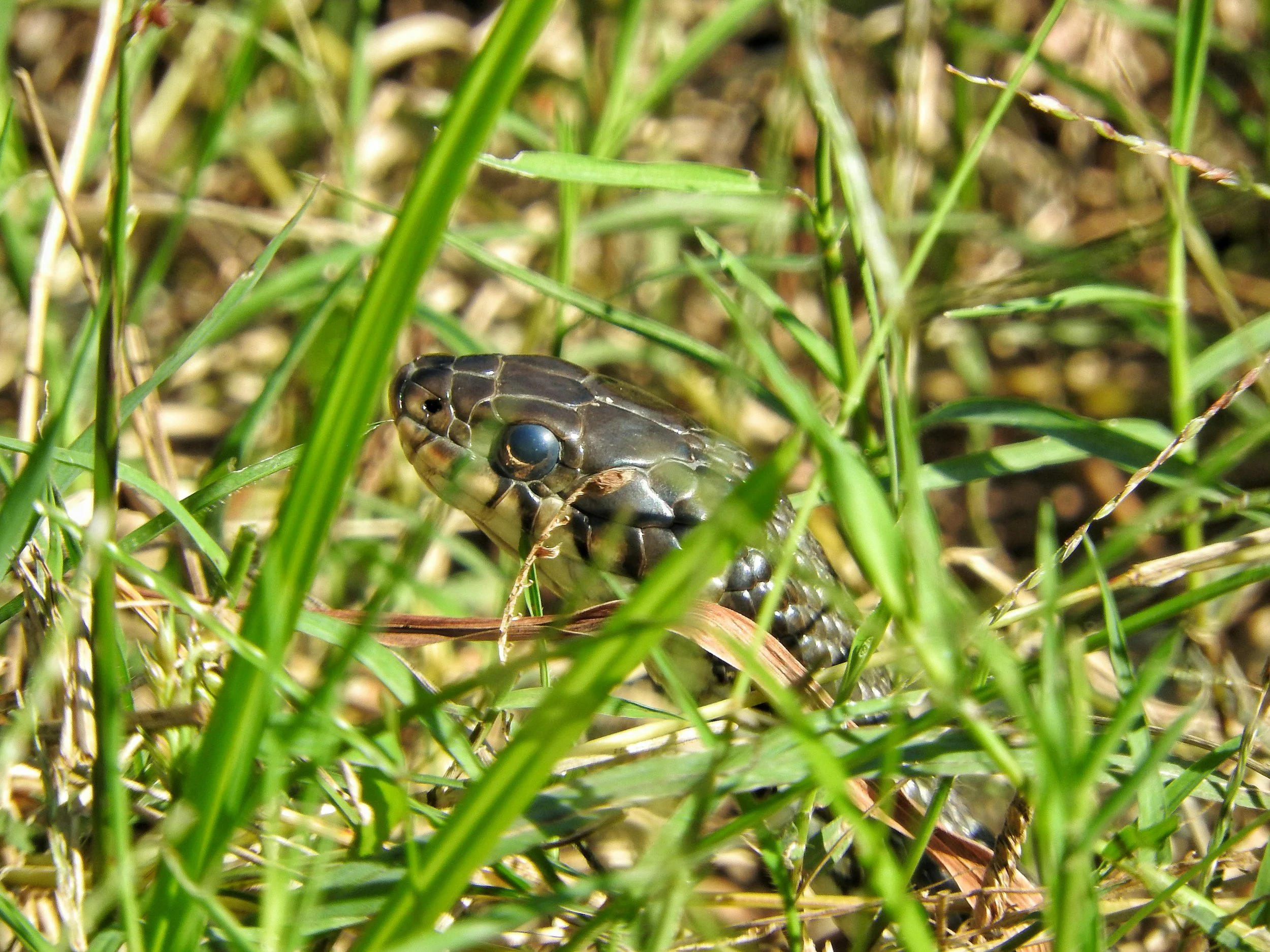
The project
The project involved land on the outskirts of West Meon, a large site of approximately 35 hectares comprising buildings, grassland, woodland and scrub. Proposed works included the demolition of a derelict property and outbuildings, construction of a new dwelling, landscaping and habitat enhancement. As suitable reptile habitat was present, targeted surveys were required to inform how the works could proceed lawfully.
Our role
Wessex Ecology was commissioned to complete a reptile presence survey, supported by a desk study and a programme of field surveys using artificial habitats across the site. Multiple survey visits were completed in suitable weather conditions in line with recognised best practice guidance. The surveys assessed species presence, distribution and population size to inform appropriate mitigation measures.
Outcome
The surveys confirmed the presence of slow worms across the site which, while a small population. were an ecological constraint to the proposed works. Recommendations were provided for the preparation of a Construction Environmental Management Plan, setting out practical measures to avoid harm to reptiles during vegetation clearance and construction. This ensured the project could move forward while remaining compliant with wildlife legislation and protecting local reptile populations.
Key facts
Location: West Meon, Hampshire
Sector: Rural development
Site type: Large country house estate
Services provided: Reptile presence survey, protected species assessment, construction phase mitigation advice