
Residential bat roost assessment for a loft conversion in Winchester
A preliminary roost assessment to support planned roof and extension works to a city-centre terraced house in Winchester, identifying proportionate survey requirements at an early stage.
The project
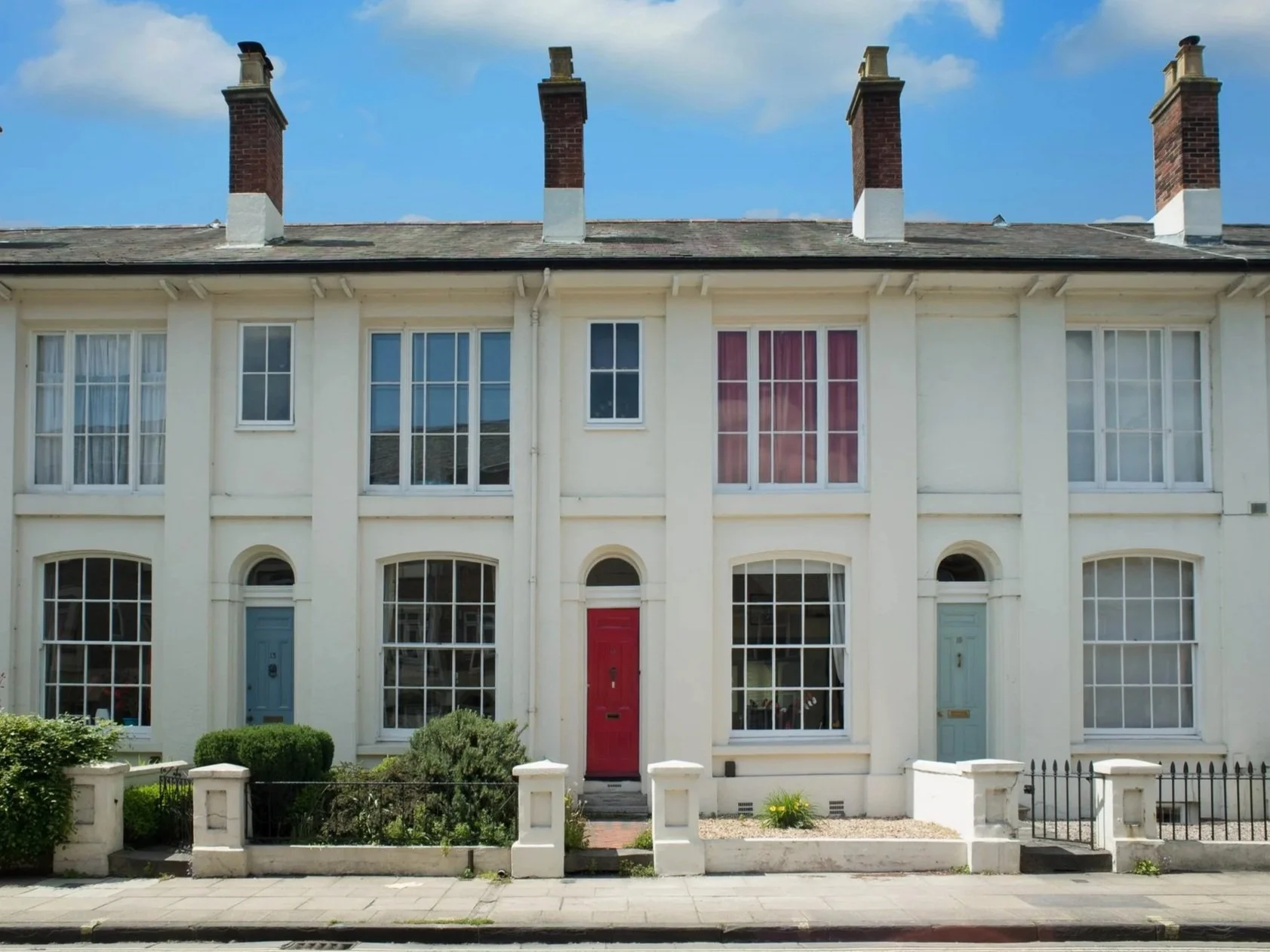
The project related to a two-storey Edwardian terraced family home in central Winchester. The proposed works included a loft conversion with new roof cladding and dormer windows, along with a rear single-storey extension to create a larger kitchen space. As the works would affect the roof structure, an assessment of bat roost potential was required to inform the design and planning process.
Our role
Wessex Ecology was commissioned to carry out a preliminary roost assessment, including a desk study and a detailed internal and external inspection of the building. The work assessed the likelihood of bats using the structure and reviewed local bat records and nearby designated sites. All work was carried out in line with current best practice guidance and relevant wildlife legislation.
Outcome
The building was assessed as having low bat roost potential, with no evidence of bats recorded at the time of survey. A small number of potential roost features were identified in areas affected by the proposed works, and a single bat emergence survey was recommended as a proportionate next step. This approach allowed the project to move forward while ensuring legal compliance and appropriate protection should bats be present.
Key facts
Location: Winchester, Hampshire
Sector: Residential
Site type: Terraced family home
Services provided: Preliminary roost assessment, bat inspection survey