
UKHab survey and biodiversity net gain assessment for residential development in Long Crendon
A UKHab 2.0 survey and biodiversity net gain assessment to support a residential development of 120 homes in Buckinghamshire, establishing the baseline habitats and identifying Biodiveristy Net Gain (BNG) requirements to inform the planning process.
The project
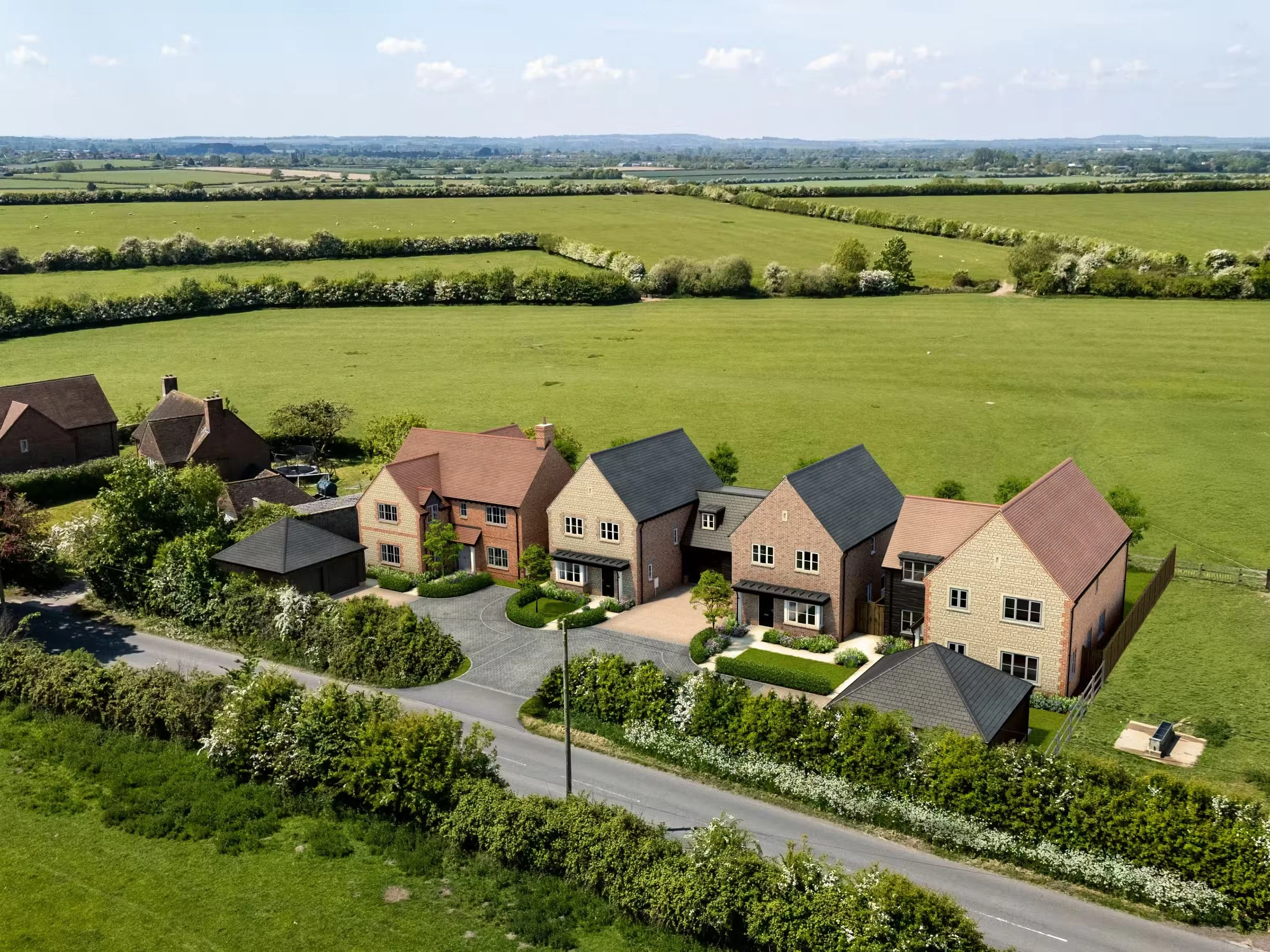
The project involved land off Thame Road in Long Crendon, proposed for the development of approximately 120 new dwellings with associated access, parking and infrastructure. The site comprised a mix of neutral grassland, scrub, hedgerows, ditches and areas of woodland. As part of the planning process, a UKHab 2.0 survey was required to classify habitats accurately and provide the baseline data needed to calculate biodiversity net gain.
Our role
Wessex Ecology was commissioned to undertake a UKHab 2.0 habitat survey in accordance with current guidance. This included detailed habitat mapping, recording dominant plant species, identifying features of conservation interest and assessing the presence of any invasive non-native species. The survey data were then used to inform a biodiversity net gain assessment using the statutory metric for the proposed development.
Outcome
The survey established the baseline habitat condition across the site and demonstrated a small net gain within on-site habitats and a substantial net gain in hedgerows. The biodiversity net gain assessment identified the additional habitat units required to achieve the mandatory 10% net gain, providing the client with clear and robust information to support scheme design and planning submission. This ensured biodiversity considerations were integrated into the development at an early stage.
Key facts
Location: Long Crendon, Buckinghamshire
Sector: Residential
Site type: Greenfield land with mixed habitats
Services provided: UKHab 2.0 habitat survey, biodiversity net gain assessment