Protected species surveys
Targeted surveys to identify protected species and assess how proposals may affect them, with clear next steps for planning.
Many planning applications require protected species surveys, especially when buildings, trees, hedgerows, ponds or suitable habitats may be affected by development.
We provide clear, proportionate surveys and reports that meet legal and planning requirements without adding unnecessary cost or delay.
Our ecologists are experienced in carrying out all common protected species surveys, from bats and great crested newts to badgers, dormice and reptiles.
Types of protected species surveys
The species we commonly survey for include:
Bat surveys
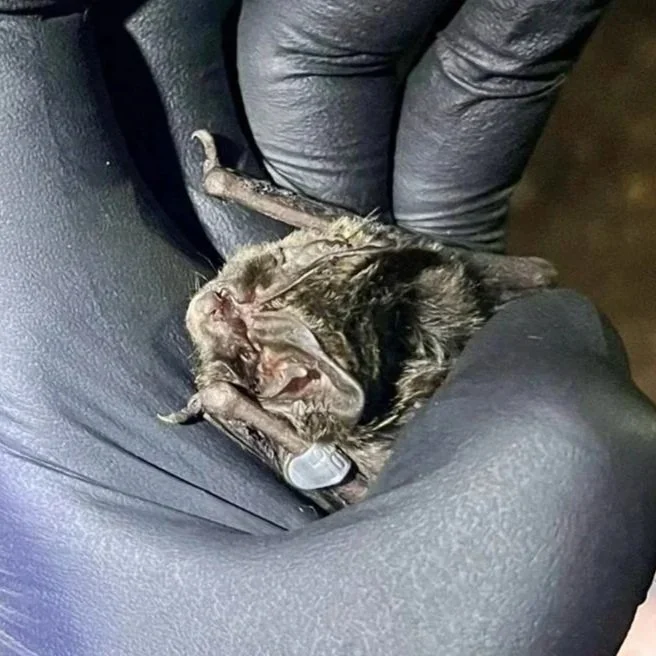
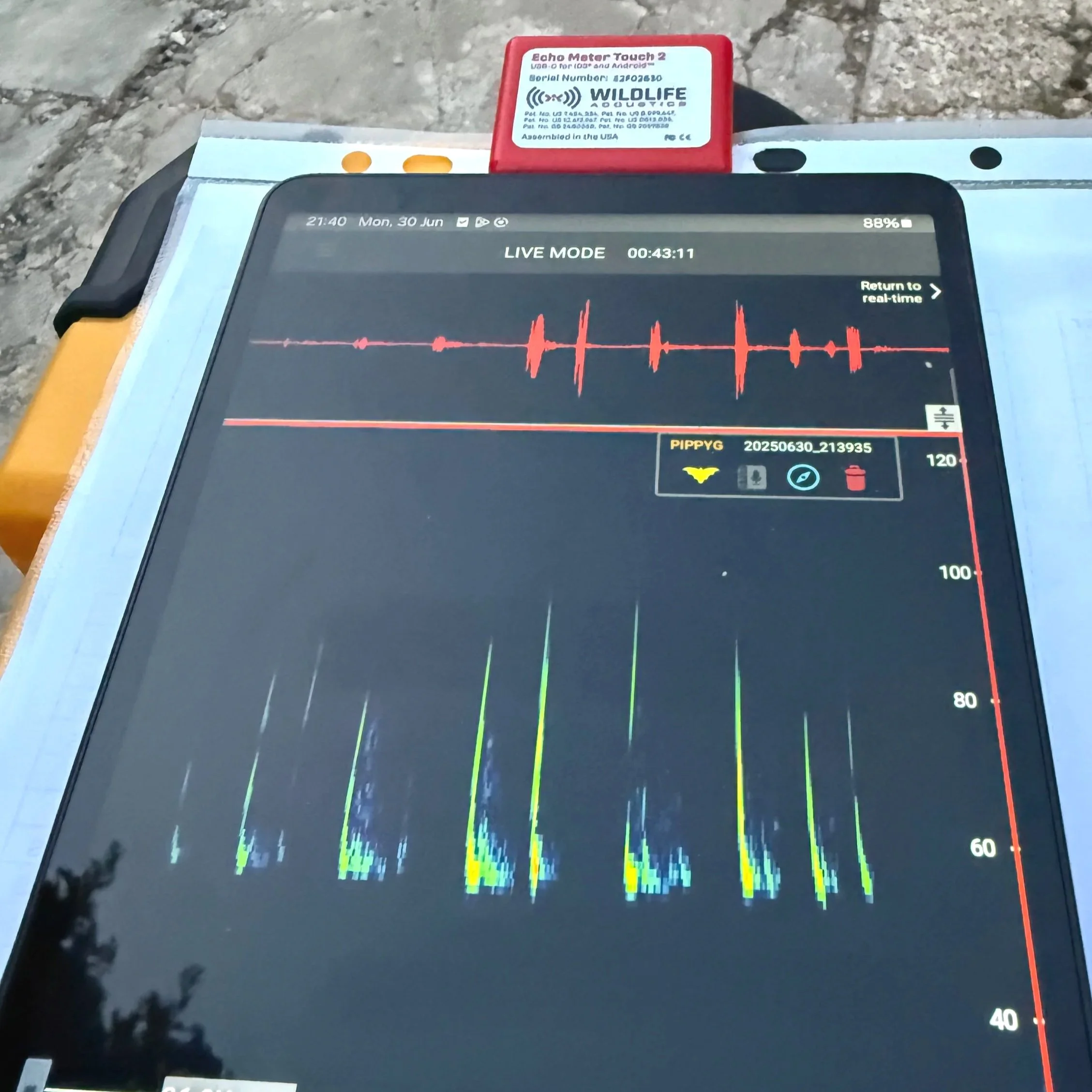
Bats often use buildings, trees and other structures for roosting, so surveys are frequently required for extensions, conversions, demolition or roof works.
We provide:
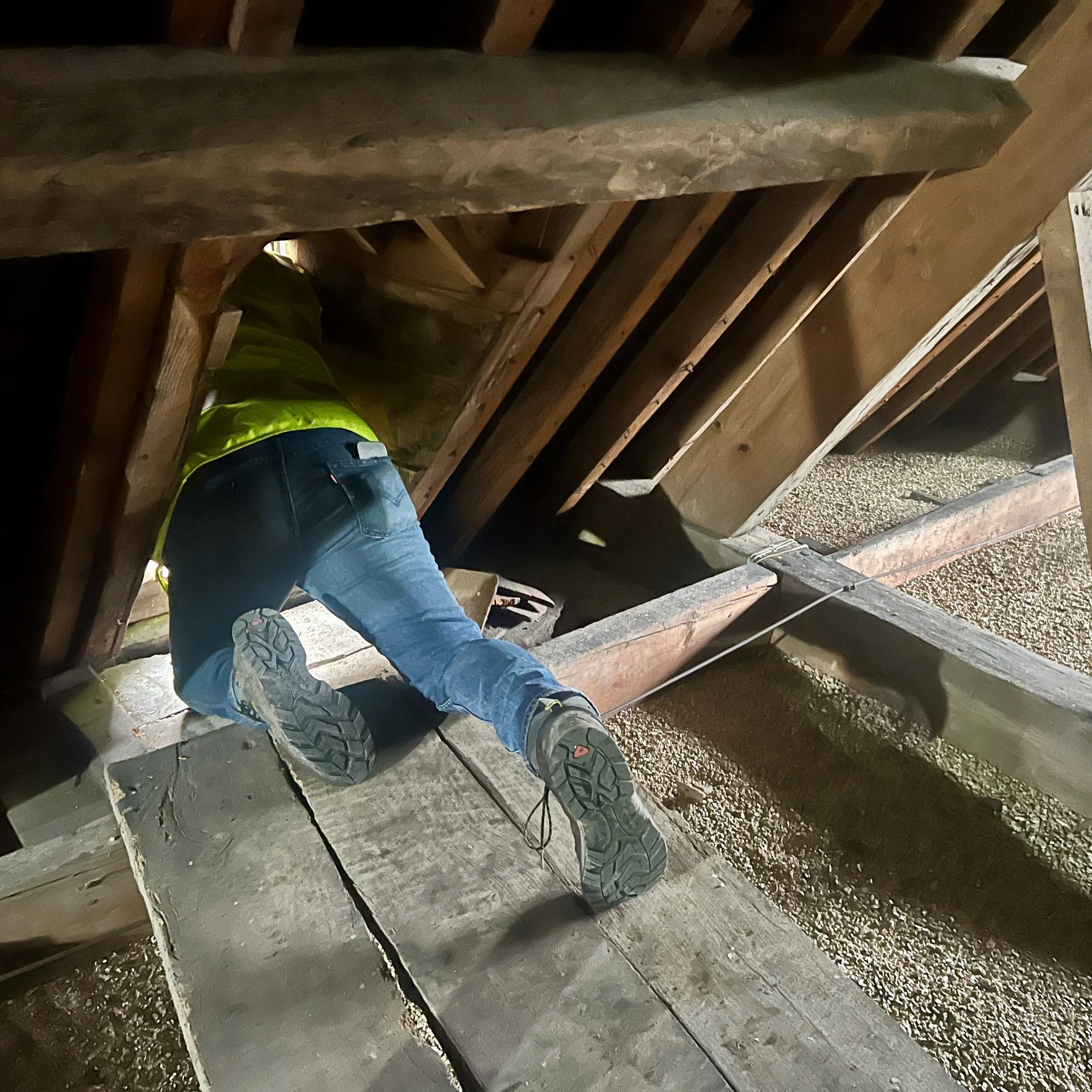
Preliminary roost assessments (internal and external inspections)
Bat emergence surveys
Bat mitigation and licensing support
All surveys follow current best practice and are undertaken by experienced surveyors.
Great crested newt surveys
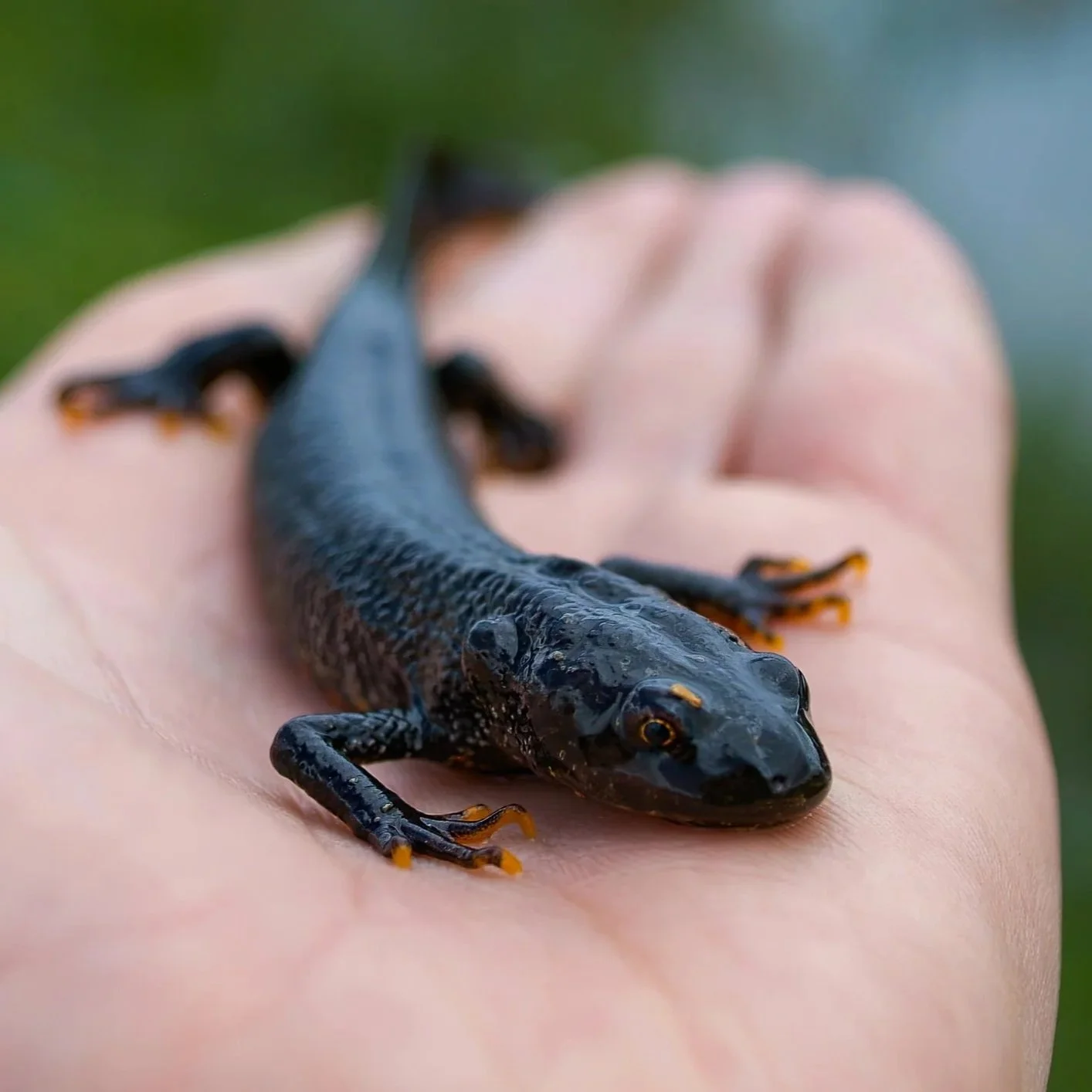
Great crested newts are strictly protected. If there are ponds within 250 metres of your site, you may need a survey.
We provide:
Environmental DNA (eDNA) surveys
Traditional population surveys
Habitat suitability index assessments
Mitigation plans and licensing support
We will advise on which method is appropriate and explain any seasonal constraints.

Reptile surveys
Reptiles such as slow worms, grass snakes and common lizards are often found in rough grassland, brownfield land and unmanaged plots.
We provide:
Presence or absence surveys
Population class assessments
Translocation and habitat management plans
Ecological supervision during site clearances.
Dormouse surveys
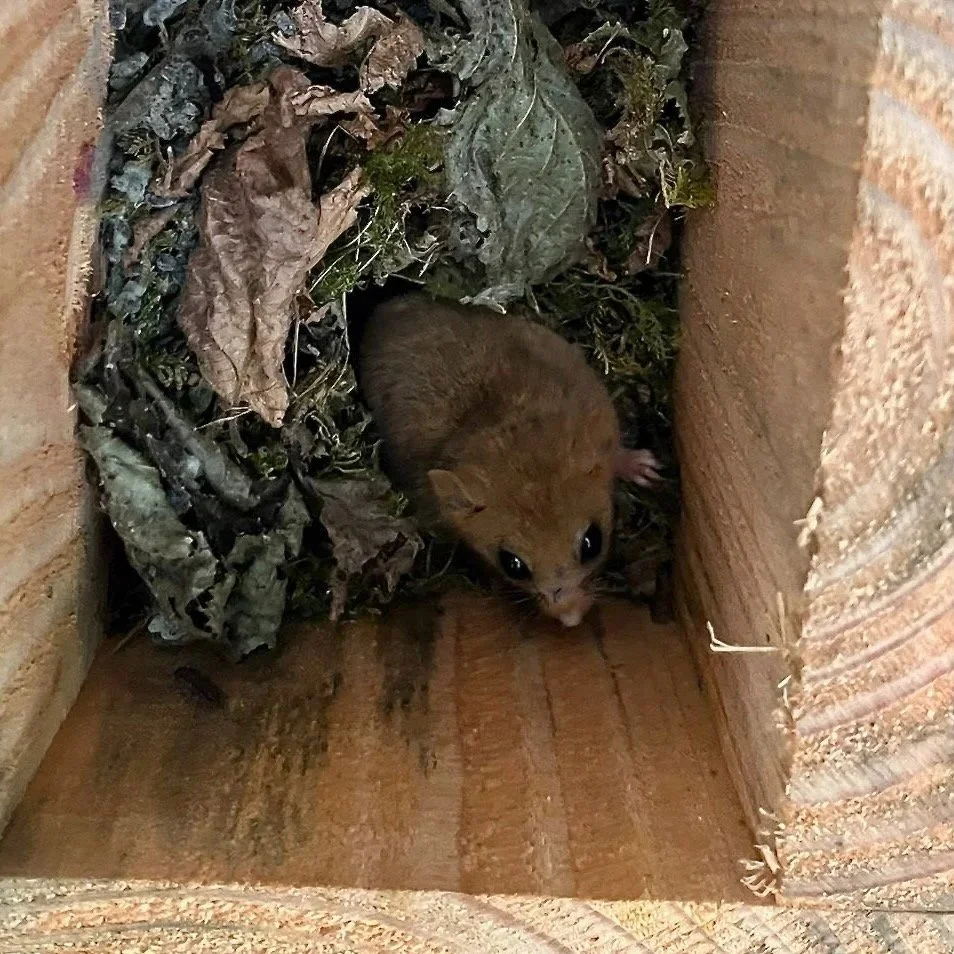
Dormice use woodland, hedgerows and scrub habitats. Surveys are required where these habitats may be affected.
We provide:
Nest tube surveys
Nest box surveys
Habitat suitability assessments
Mitigation and licensing support.

Badger surveys
Badgers and their setts are protected, and development near setts requires careful assessment.
We provide:
Badger walkover surveys
Sett identification and activity assessment
Impact assessment and mitigation design
Licence applications if works are required near setts.
When is a protected species survey needed?
You may need a protected species survey if:
Your site includes buildings, barns or roof spaces
There are ponds or waterbodies within 250 metres
There are hedgerows, woodland edges or rough grassland
A preliminary ecological appraisal identifies a potential habitat
The local planning authority requests species-specific surveys
You are carrying out demolition, roof work, extensions or conversion
Not sure what you need?
For most sites, the correct starting point is a preliminary ecological appraisal (PEA). Send us your plans or a brief description of your project, and we’ll confirm what is required and when.
Why protected species surveys matter
Protected species are safeguarded under UK law, and planning authorities must ensure that development avoids harm and provides mitigation where needed.
Our surveys:
Confirm whether protected species are present or likely to be affected
Provide evidence for planning applications
Prevent avoidable breaches of legislation
Support licences where required
Provide clear, proportionate mitigation advice
We always recommend the minimum level of survey required to satisfy planning and legal obligations.
Survey windows
Many protected species surveys can only be carried out at certain times of year. This is one of the most common causes of planning delays.
We always explain survey windows clearly and help you plan the most efficient route through the process.
You can also download our survey calendar for quick reference.
Our planning-focused approach
Our role is to provide clear, robust surveys and reports that answer the questions planning officers and consultees expect to see, without unnecessary complexity or cost. Our reports are:
Clear – concise conclusions that address each ecological issue
Proportionate – we recommend only what is necessary for your project
Robust – based on current legislation and professional best practice
Planning-ready – structured to support efficient decision-making
Whether you are applying for a small home extension or a larger development, we explain what is required, why, and the simplest route through the planning process.
Our process
-
![Icon of a computer window with a checkmark inside a circle, indicating confirmation or success.]()
Send us your plans
Email your drawings, site address and planning context. We will review and provide a fixed-fee quote within 24 hours.
-
![A white location pin icon on a green background.]()
Site visit and survey
We will carry out the necessary survey work, following current industry guidance.
-
![Icon of multiple documents stacked, with one document in front having lines of text, on a green background.]()
Clear, planning-ready report
You receive a concise, robust report with conclusions, mitigation measures and next steps.
-
![An illustration of a hand holding a circle with a check mark inside, on a green background.]()
Support through planning
If planning officers or contractors have questions, we provide prompt clarification.




Areas we cover
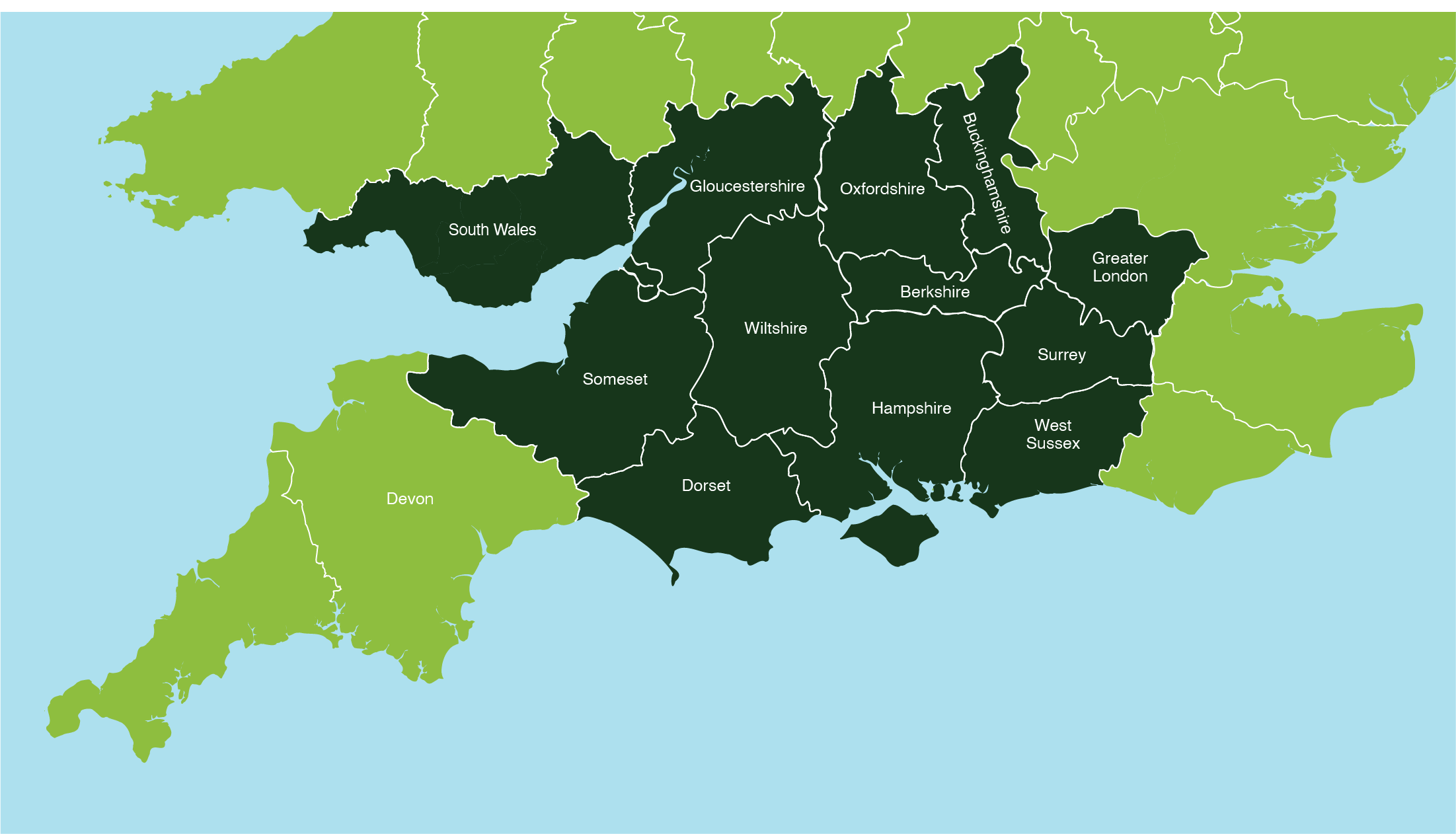
We provide licensing, mitigation and ecological supervision services across:
Wiltshire - Dorset - Somerset - Gloucestershire - South Wales - Oxfordshire - Berkshire - Buckinghamshire - Greater London - Surrey - Greater London - Berkshire - Buckinghamshire - West Sussex.
We can also travel to neighbouring areas by arrangement.