
Bat surveys are a waste of time right?
It’s a common perception. People see bats flying around gardens, fields and villages every summer and wonder why, if they are so widespread, surveys are needed at all - especially when those surveys add time and cost to a project. On the surface, it can feel like bureaucracy gone mad. But bat surveys exist for good reasons, and once those reasons are understood, the surveys make a lot more sense.
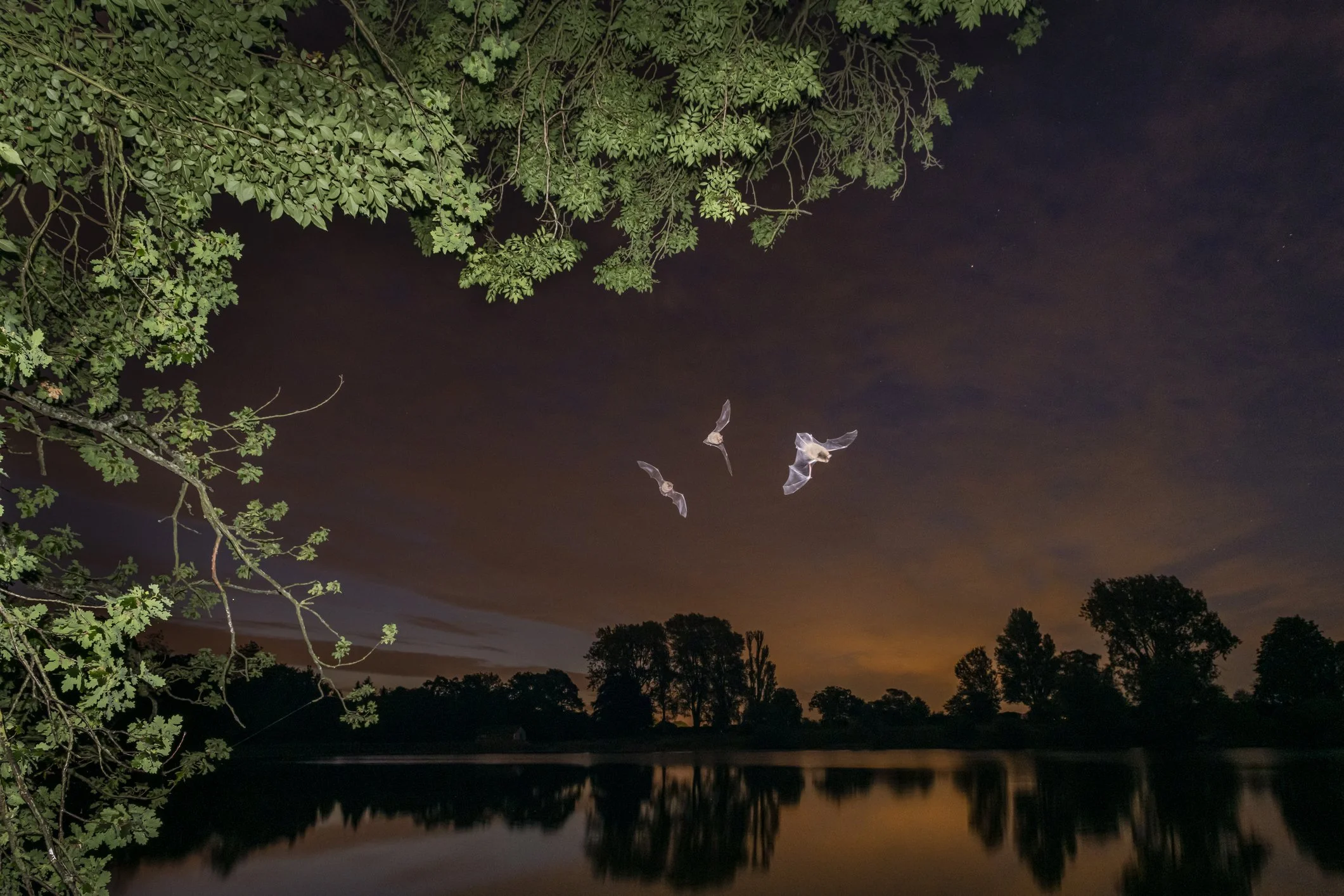
Bats are common - but their homes are not
You might see bats frequently, but what you are usually seeing is feeding activity, not where bats actually live. Roosts - where bats rest, breed and hibernate - are far more limited and far more vulnerable.
Many bat species rely on:
Old and new buildings
Roof voids
Barns and outbuildings
Tree cavities and crevices
These are exactly the places most likely to be altered, converted or demolished during development. A building that looks unused to us can be a critical roost to bats.
All UK bats are legally protected
Every bat species in the UK is protected by law, along with their roosts - whether bats are present at the time or not. This protection exists because bat populations declined dramatically during the 20th century due to habitat loss, changes in farming practices and building renovation.
Bat surveys are not about preventing development. They exist to ensure that:
Roosts are identified before works begin
Damage or disturbance is avoided where possible
Mitigation is put in place when needed
Without surveys, there would be no practical way to comply with this legal duty.
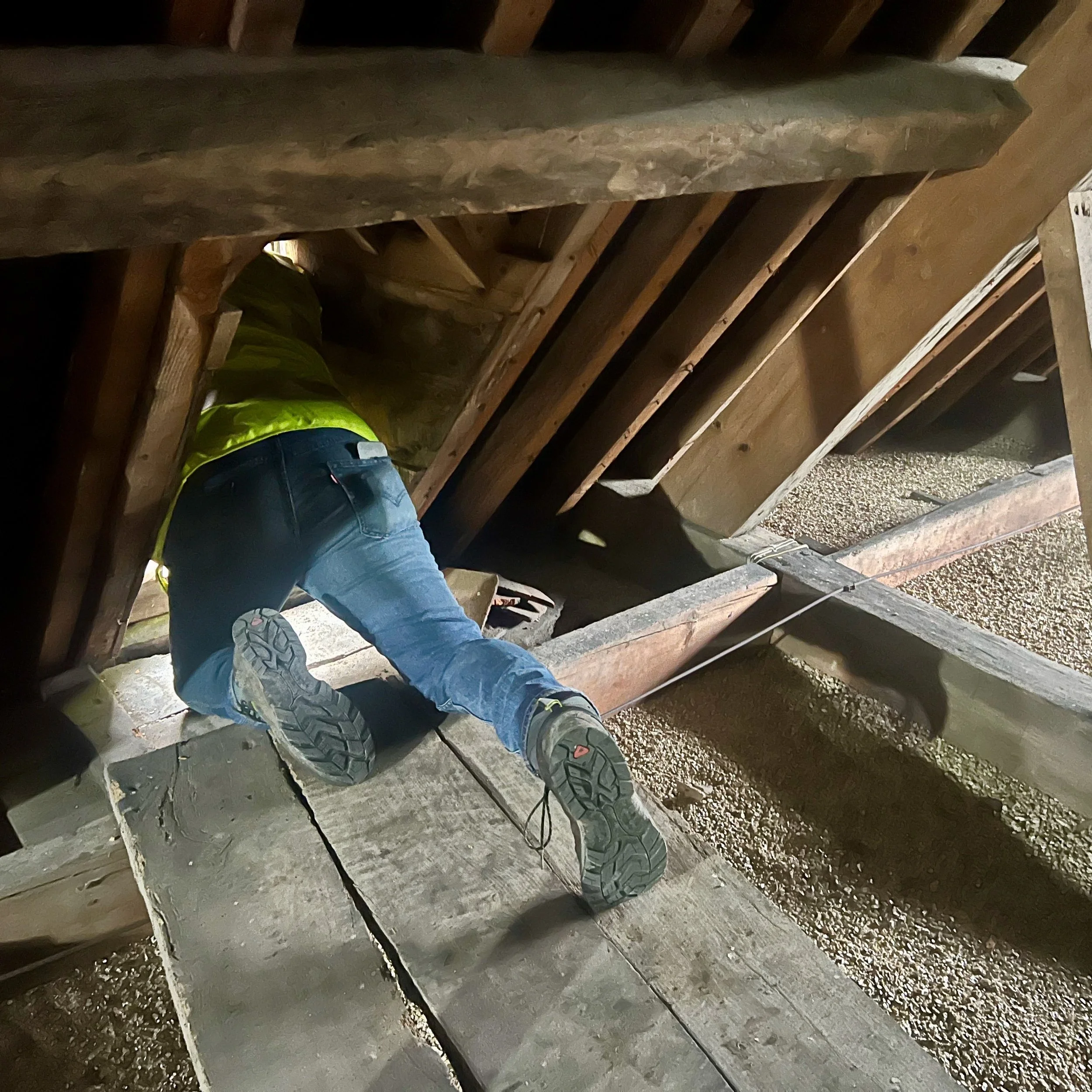
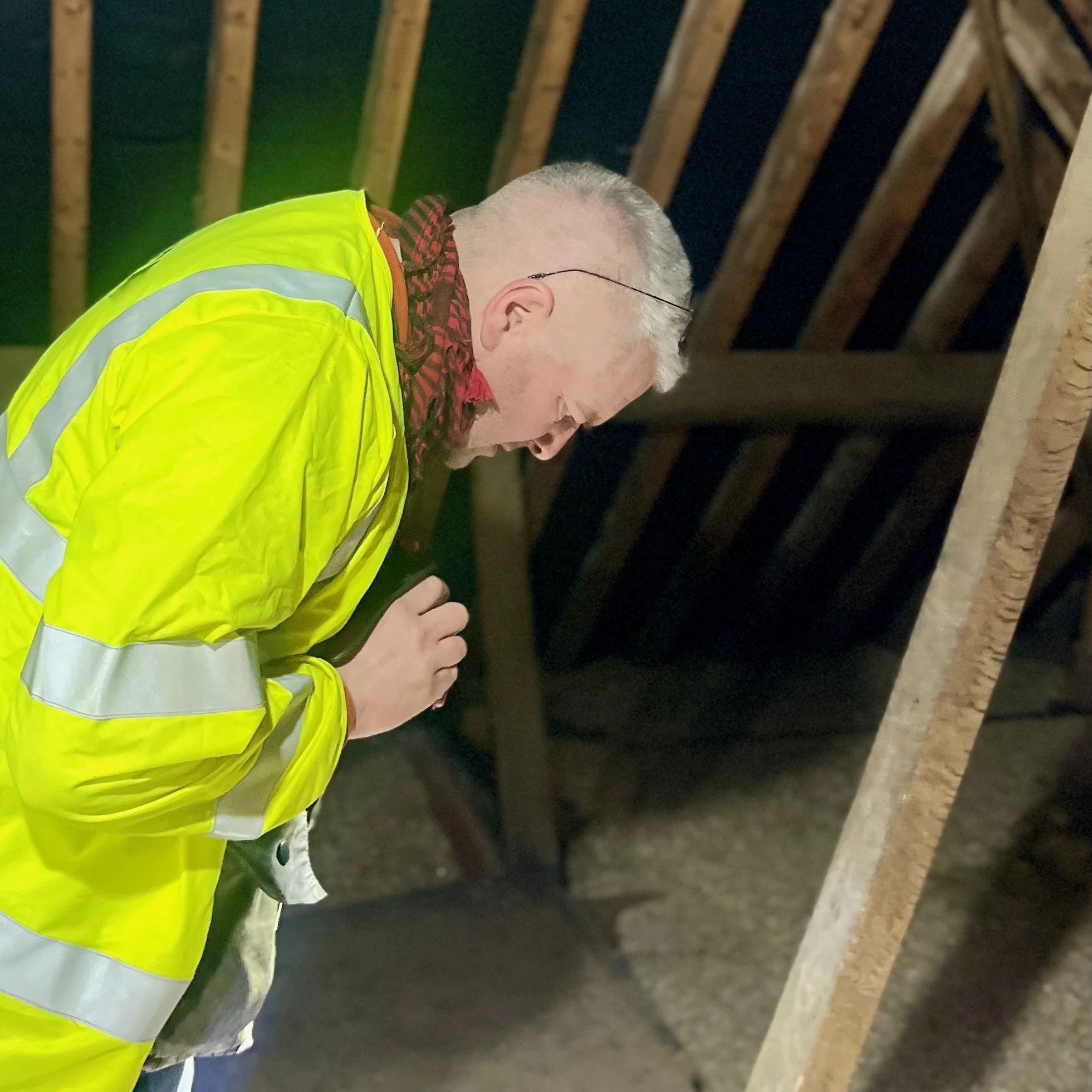
You cannot spot a bat roost just by looking
One of the biggest misconceptions is that bat presence would be obvious. In reality:
Many roosts leave little or no visible evidence
Bats may only use a building at certain times of year
Roosts can be tucked behind timbers, tiles or masonry
A quick glance at a roof or loft is not enough to rule bats in or out. Bat surveys use trained observers, specialist equipment and knowledge of bat behaviour to assess risk properly.
Bat surveys protect homeowners and developers too
Bat surveys are often seen as something imposed on people, but they also protect the applicant.
Starting work without checking for bats can lead to:
Stop-work notices
Enforcement action
Costly delays
Legal consequences
A survey provides clarity and confidence. It answers the question early, rather than leaving uncertainty hanging over a project. In many cases, surveys confirm that no further action is required - and that reassurance has real value.
Finding bats does not usually stop a project
This is another common fear. In reality, most projects involving bats:
Go ahead with minor design changes
Include simple mitigation, such as bat boxes or timing restrictions
Are supported through licensing where required
Bat surveys help design sensible solutions that work for both people and wildlife. They are about adapting, not abandoning, development.
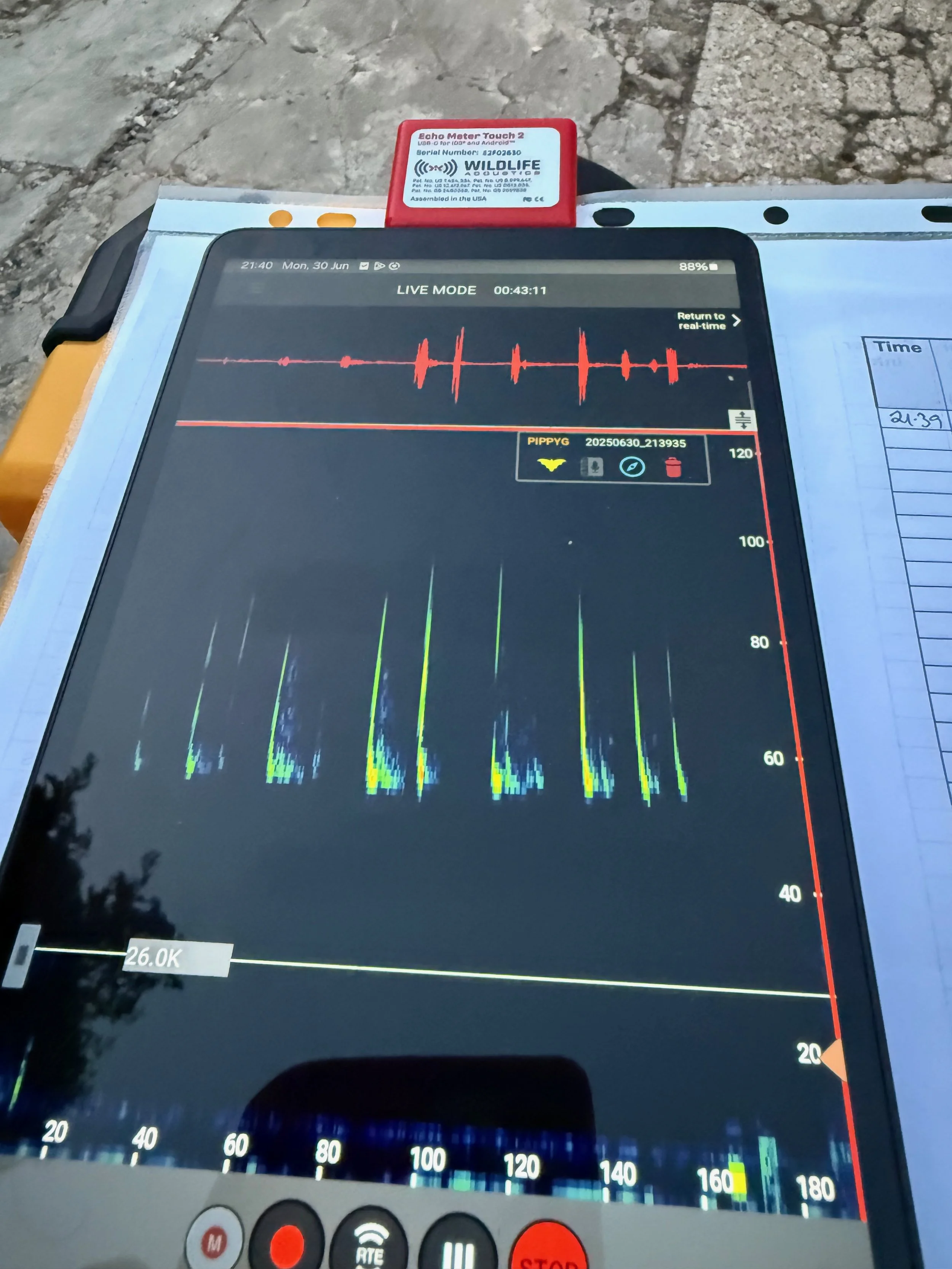
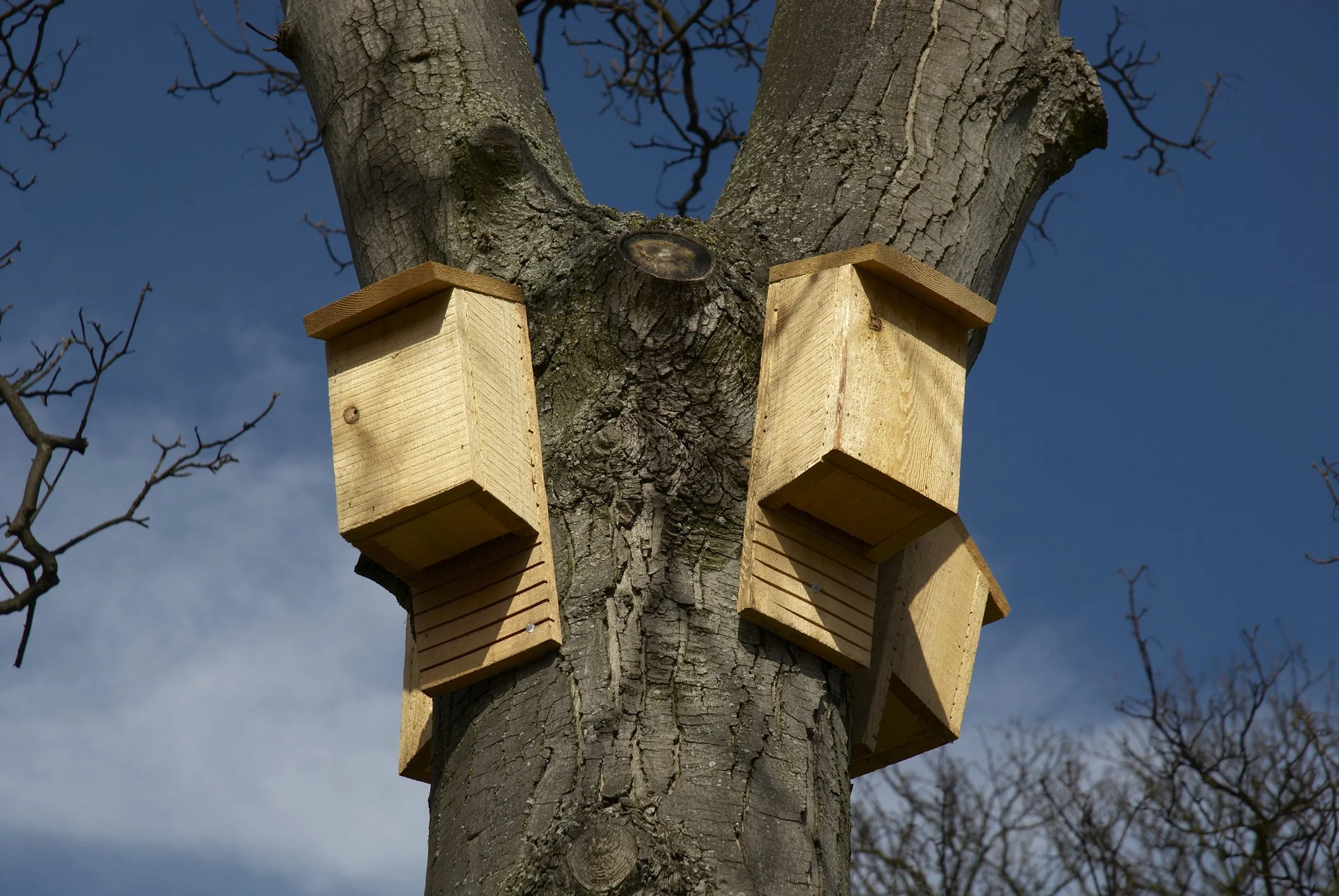
Bats are indicators of a healthy environment
Bats sit high in the food chain and are sensitive to environmental change. Their presence tells us something important about landscape quality, insect populations and habitat connectivity.
Protecting bats also helps protect:
Hedgerows and trees
Watercourses
Meadows and grassland
Wider biodiversity
Bat surveys are one small part of a much bigger picture.
When done properly, bat surveys save time and money. The real frustration around bat surveys usually comes from timing. If ecology is left until late in the process, seasonal constraints can cause genuine delays. When considered early:
Surveys can be planned efficiently
Results inform design from the outset
Planning applications progress more smoothly
The problem is rarely the survey itself - it is when it happens too late.
So are bat surveys really a waste of time?
Seen in isolation, they can feel inconvenient. Seen in context, bat surveys prevent legal problems, protect vulnerable roosts and help developments proceed responsibly. They are a practical response to real environmental pressures, not an abstract box-ticking exercise.
At Wessex Ecology, we make bat surveys proportionate, clear and straightforward - focused on what actually matters for your site and your project. If you are unsure whether a bat survey is needed, or what it might involve, an early conversation can often clear things up quickly and save time later.