
Do I need an ecology survey for my planning application?
If you are preparing a planning application, you may have seen references to ecology surveys and wondered whether they apply to you. The short answer is: in many cases, yes. This article explains when ecology surveys are typically needed, why planning authorities ask for them, and what to do if you are unsure.
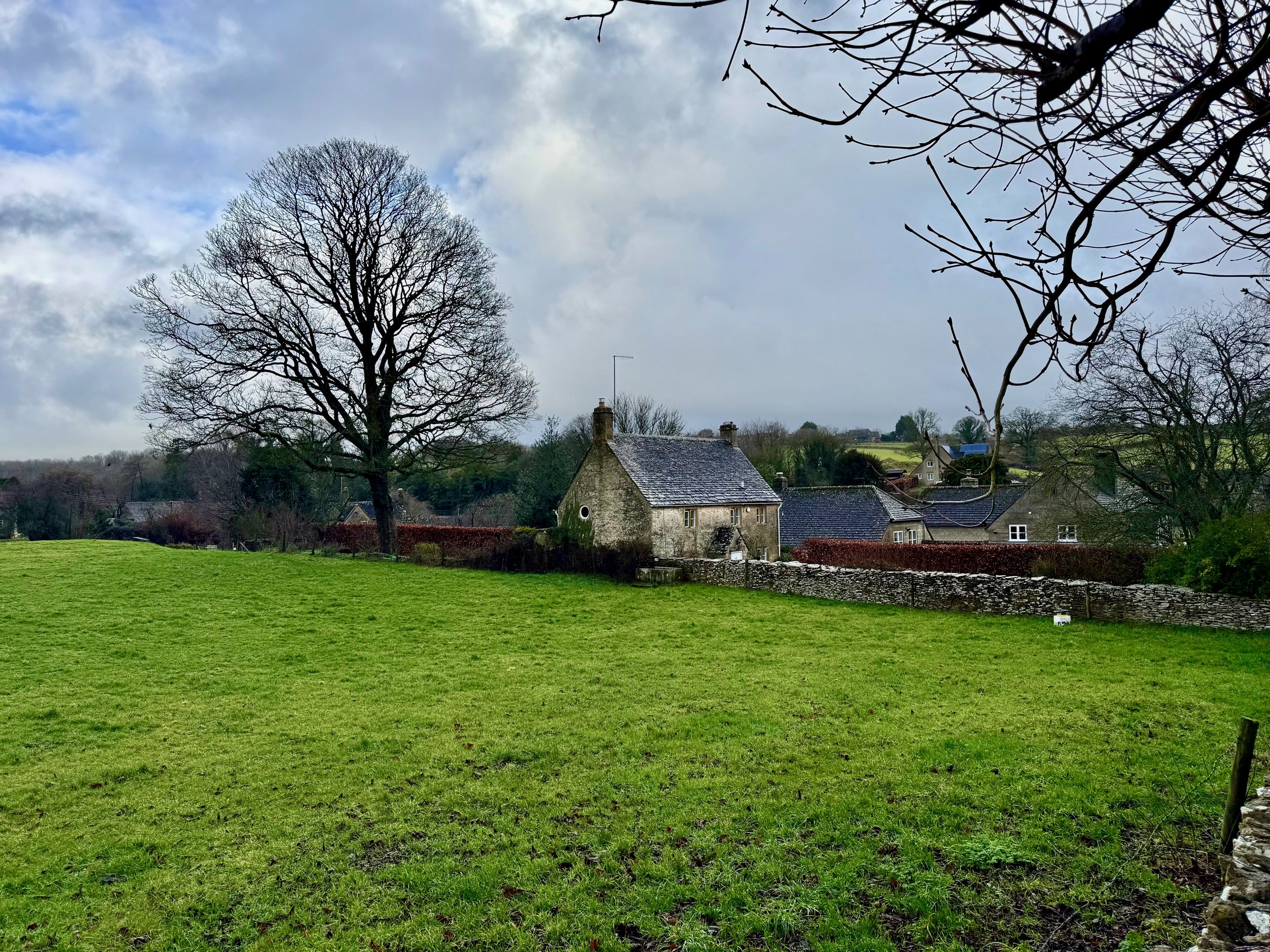
What is an ecology survey?
An ecology survey is an assessment of a site to identify whether protected species or habitats could be affected by the proposed works.
Depending on the project, this might involve:
A desk study and site walkover
A preliminary ecological appraisal of the site
A protected species survey, to assess the presence of bats, great crested newts, dormice or badgers for example
The aim is not to stop development, but to ensure any impacts on wildlife are understood and, where necessary, avoided or mitigated.
Why do planning authorities ask for ecology surveys?
Local planning authorities have a legal duty to consider biodiversity when deciding planning applications. This responsibility comes from UK wildlife legislation and national planning policy.
If a site has the potential to support protected species or habitats, the council may require ecological information before they can determine an application.
Crucially, this information is usually needed before planning permission is granted - not after.
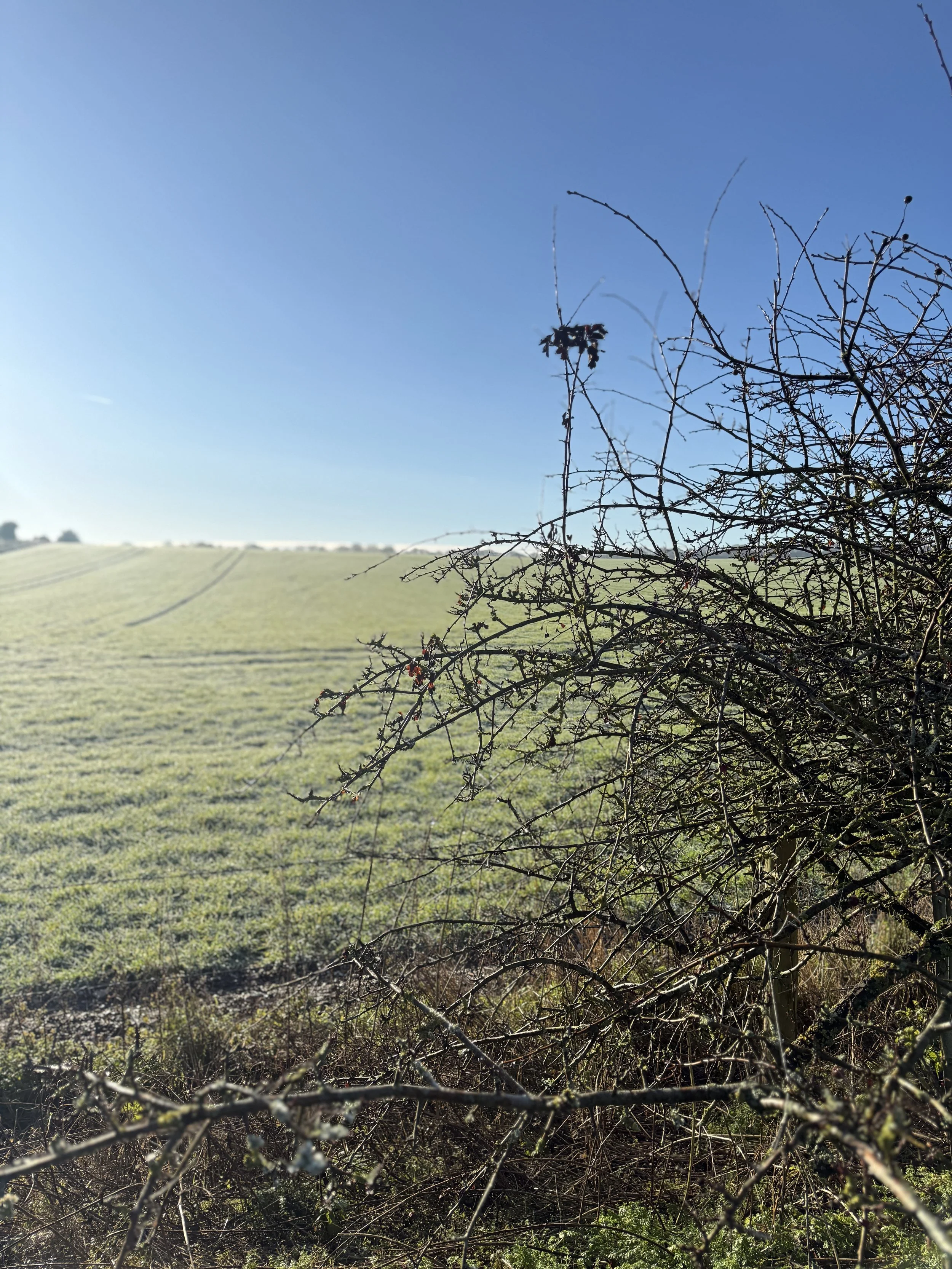
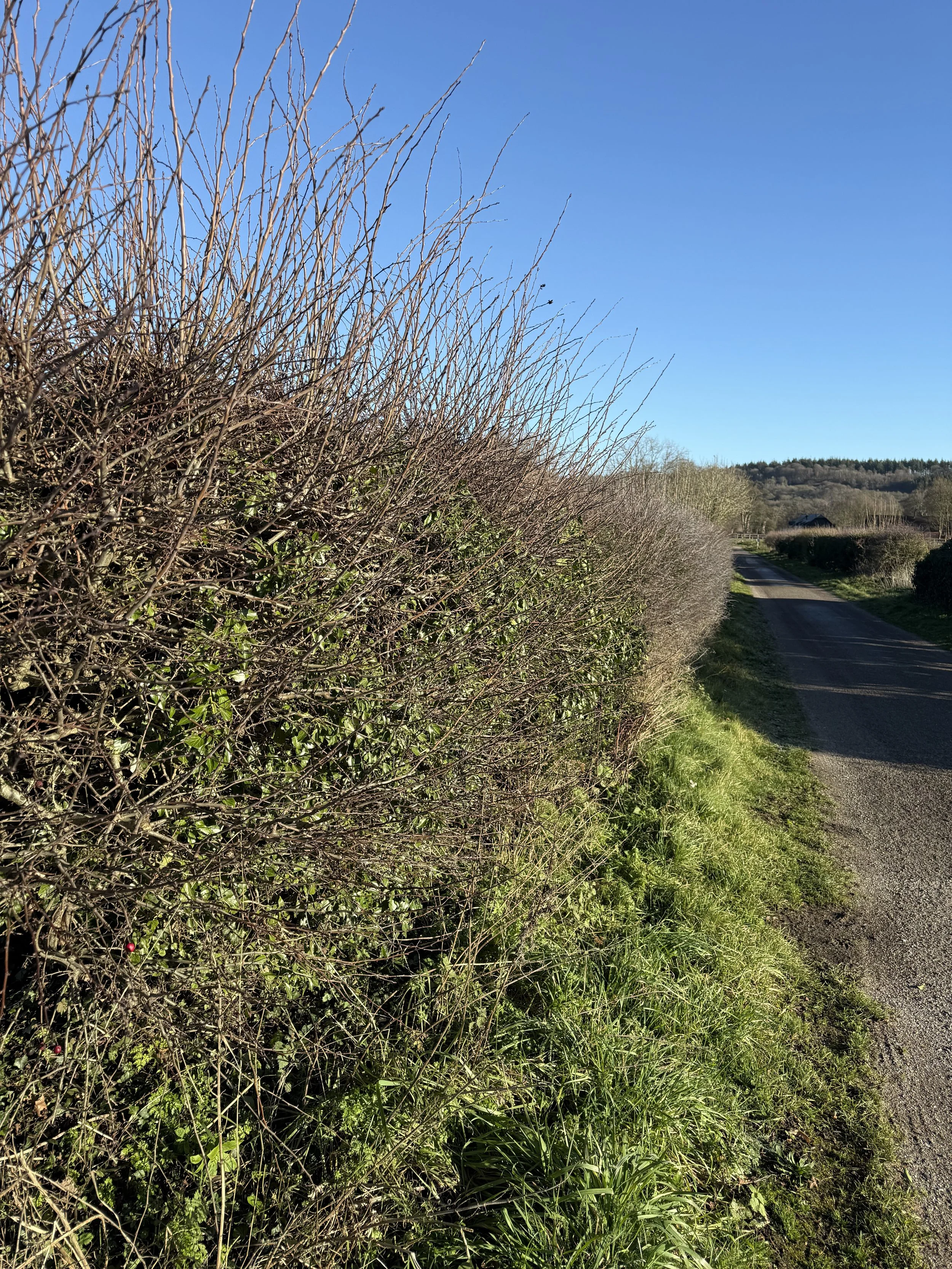
When is an ecology survey likely to be required?
You may need an ecology survey if your project involves:
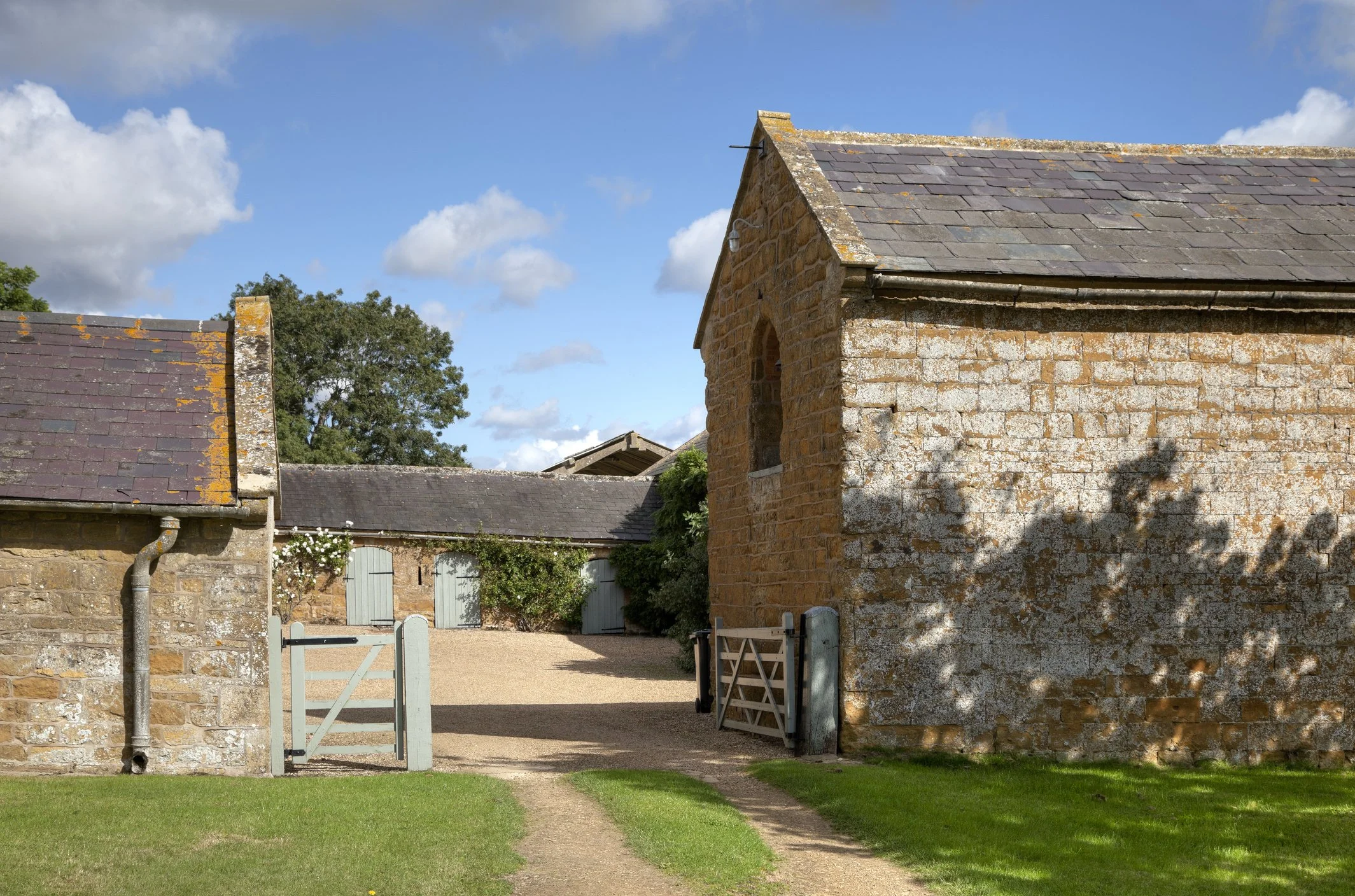
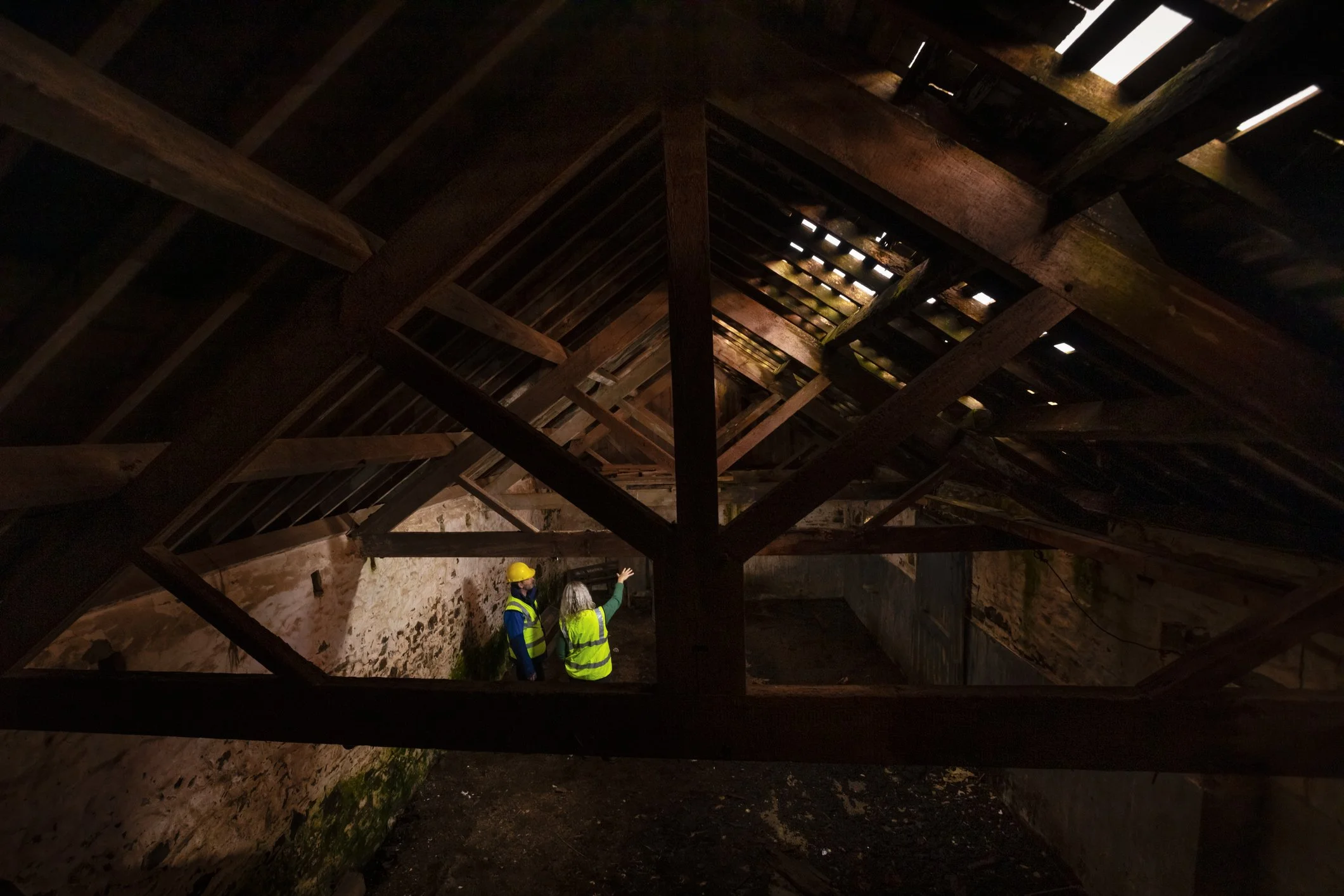
Alterations to an older building, especially roofs, barns or outbuildings
Demolition of existing structures
Development near woodland, watercourses, hedgerows or grassland
Conversion of rural buildings
Tree removal or works affecting boundary features
Development on greenfield or previously undeveloped land
Bat surveys are one of the most common requirements, particularly for loft conversions, barn conversions and demolition projects.
Even relatively small domestic projects can trigger the need for an ecological assessment.
When is an ecology survey usually not required?
In some cases, an ecology survey may not be necessary, for example:
Minor works to modern buildings with no habitat potential
Internal alterations only
Developments in heavily urbanised areas with no nearby green features
However, it is important not to assume. Planning authorities often expect applicants to demonstrate why ecology is not relevant, rather than simply omitting it.
A short preliminary assessment can sometimes be enough to confirm that no further surveys are needed.
What happens if ecology is overlooked in a planning application?
One of the most common issues we see is ecology being left until late in the planning process.
This can lead to:
Planning applications being delayed or invalidated
Requests for additional information from the council
Seasonal constraints that prevent surveys from being carried out immediately
Increased costs due to rushed or repeated work
In many cases, these problems are avoidable with early advice.
Can ecology surveys delay a project?
They can — but usually only if they are left too late.
Some surveys are seasonal, meaning they can only be carried out at certain times of year. If a survey is required and the window has passed, a project may need to pause until the next suitable season.
Getting ecological input early helps avoid this and allows survey work to be planned alongside design and planning submission.
What if protected species are found?
Finding protected species does not automatically mean a project cannot go ahead.
In most cases, solutions are available, such as:
Adjusting the design or timing of works
Incorporating mitigation measures
Providing alternative habitat
Applying for licences where required
Planning authorities are used to dealing with this, and experienced ecologists can guide the process smoothly.
Do I need an ecology survey before submitting planning?
In many cases, yes.
If there is a reasonable likelihood that protected species or habitats could be affected, the planning authority will usually expect relevant ecological information to be submitted with the application.
Submitting without it can result in delays or refusal, even for otherwise acceptable schemes.
Unsure whether ecology applies to your project?
If you are not certain whether an ecology survey is needed, getting early advice can make all the difference.
A brief conversation with an ecologist can often clarify:
Whether surveys are required
What level of survey is appropriate
When surveys can be carried out
How ecology fits into your project timeline
At Wessex Ecology, we work with homeowners, architects, developers and planning consultants to provide clear, proportionate ecological advice - helping projects move forward with confidence.
If you would like to discuss your site or proposed works, feel free to get in touch for an initial chat.