
Why tree work can be more complicated than it looks
Trees are valuable habitats for wildlife. Cavities, loose bark, ivy, and even small cracks can provide shelter for birds, bats and other protected species. Because of this, tree removal or pruning can have legal and planning implications, even in domestic gardens.
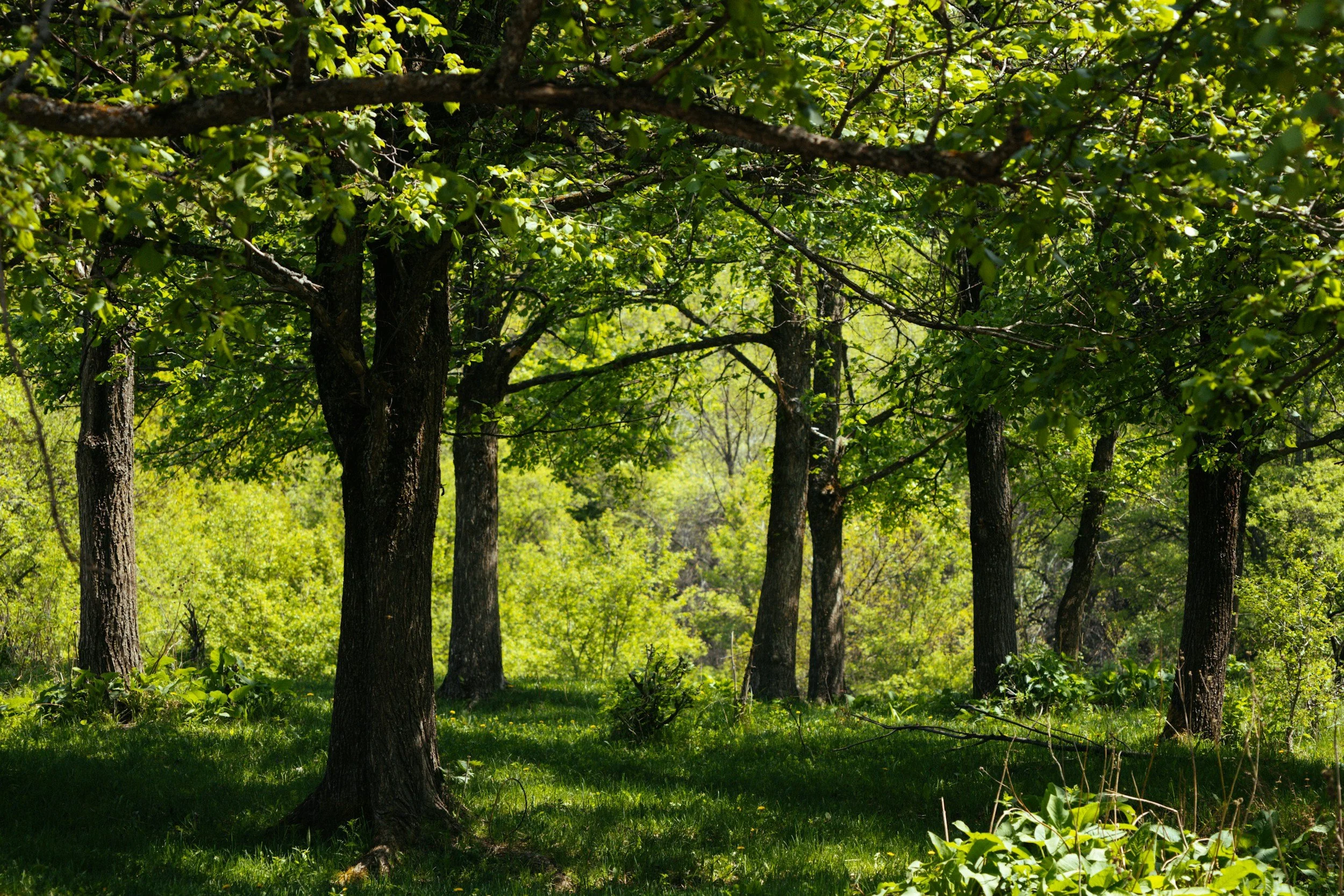
When might a tree survey be needed?
You may need a tree or ecological survey if:
The tree has visible cavities, cracks or loose bark
The tree is mature or veteran
There is ivy, dense growth or peeling bark
The work is part of a planning application
The tree is near a building being altered or demolished
The tree is close to a boundary, woodland or watercourse
Trees do not need to look old or damaged to support wildlife. Even apparently healthy garden trees can be used by protected species.
Bats and nesting birds: the most common concerns
Two groups of species are particularly relevant to garden tree work: bats and nesting birds.
All UK bats and their roosts are legally protected. Trees can provide roosting opportunities in features that are not obvious from the ground. If there is potential for bats to be present, an assessment may be required before works take place
It is illegal to disturb nesting birds or destroy an active nest. Tree work during the breeding season can cause problems if nests are present, even in hedges and smaller trees.
A survey helps identify whether these issues apply before work begins.
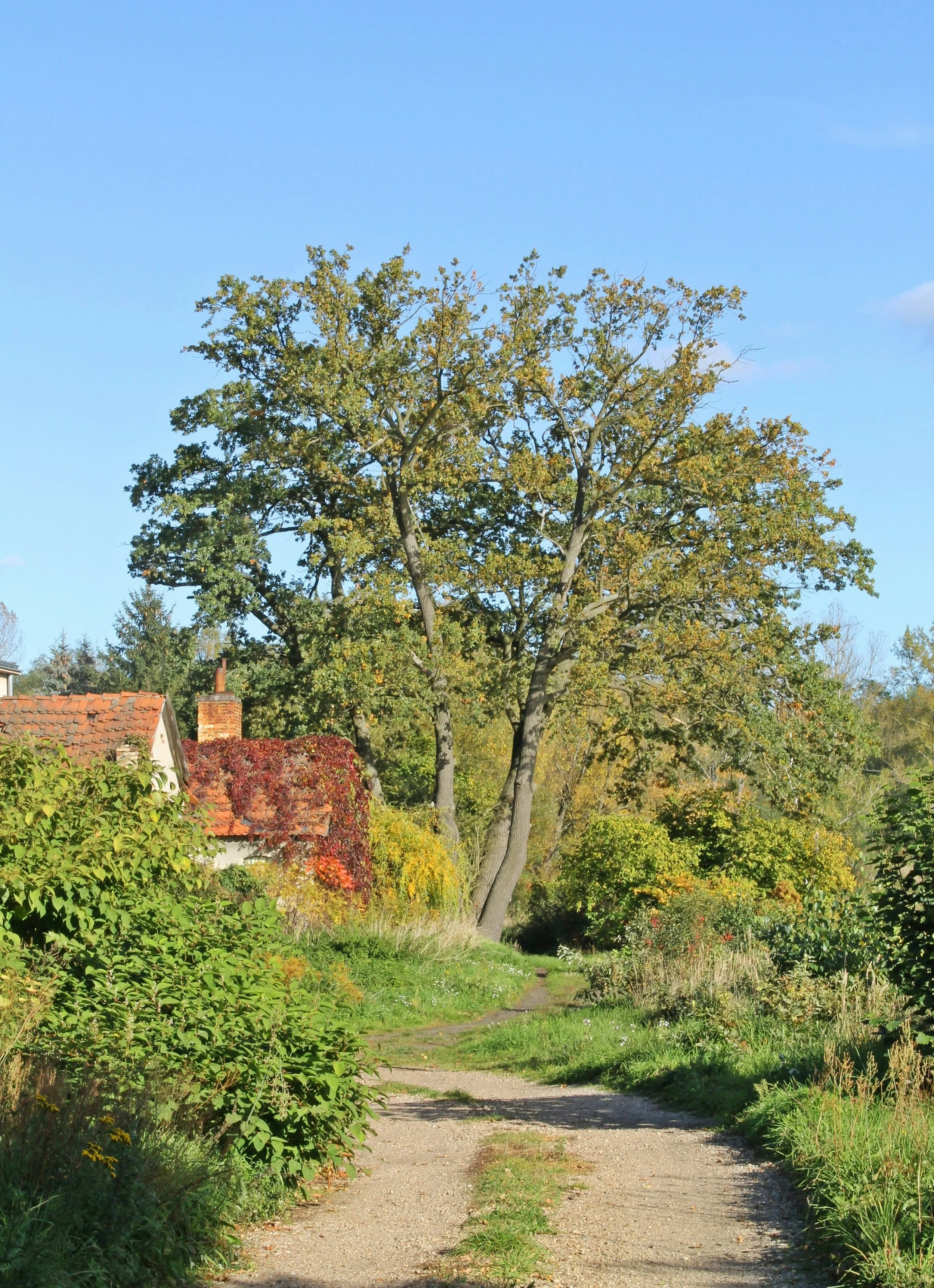
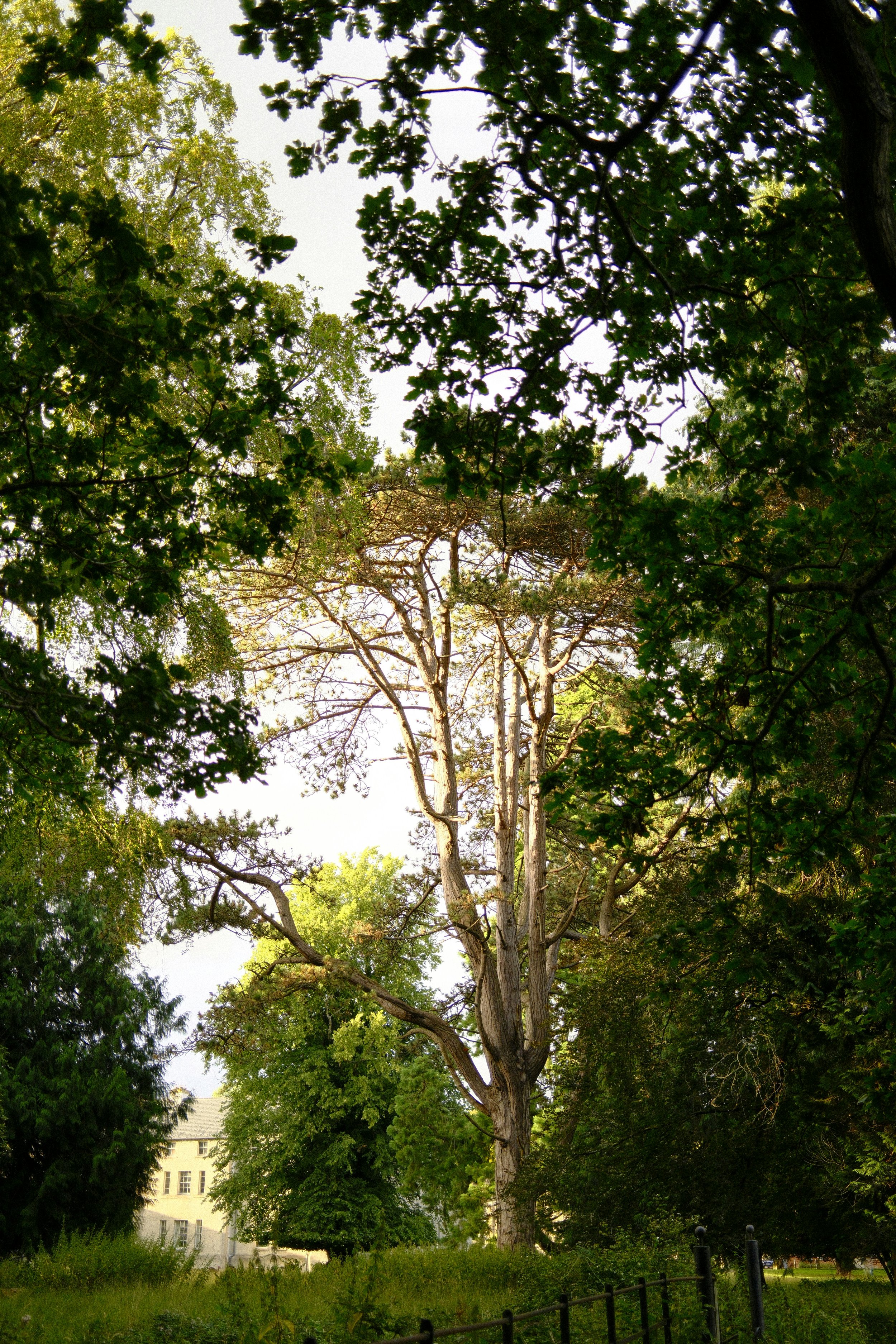
What is a tree survey?
For domestic projects, this is often a proportionate, straightforward assessment, not a lengthy or invasive process.
It may include:
A site visit and inspection of the tree for potential wildlife features
Advice on whether further surveys are needed
Guidance on timing of works
In many cases, the outcome is simply confirmation that works can proceed, sometimes with minor timing recommendations.
What if I am removing a tree as part of a planning application
If tree removal forms part of a planning application - for an extension, outbuilding or new access, for example - the local planning authority may require ecological information to support the proposal.
Submitting a planning application without this information can lead to delays or requests for further details. Early surveys help ensure the application is complete and avoids unnecessary back-and-forth with the council.
Does finding wildlife mean the tree cannot be removed?
Not usually. If wildlife is present, solutions are often available, such as:
Timing works outside sensitive periods
Retaining part of the tree where possible
Installing alternative habitat, such as bat or bird boxes
Adjusting the scope of works
Surveys are about managing impacts, not stopping sensible tree work altogether.
When is the best time to get advice?
The best time is before booking a tree surgeon. Once work is scheduled or underway, options become more limited. Early advice allows:
Surveys to be carried out at the right time of year
Wildlife issues to be dealt with calmly and legally
Tree work to proceed with confidence
It also protects homeowners from unintentionally committing an offence.
Unsure whether a survey is needed?
If you are not sure whether a tree survey or ecological assessment applies to your garden, a quick conversation can often clarify things.
At Wessex Ecology, we regularly advise homeowners on tree works, helping them understand:
Whether wildlife surveys are required
What level of assessment is appropriate
When works can safely take place
If you are considering removing or heavily pruning a tree, getting advice early can save time, money and stress later on.