
Bat surveys explained: what to expect and when they’re needed
Bat surveys are one of the most common - and most misunderstood - ecology requirements linked to planning applications. For many people, the idea of a bat survey raises questions straight away. Will it delay the project? Will it be expensive? Does finding bats mean everything has to stop? In reality, bat surveys are usually straightforward, and understanding what is involved makes the process far less daunting.
What is a bat survey?
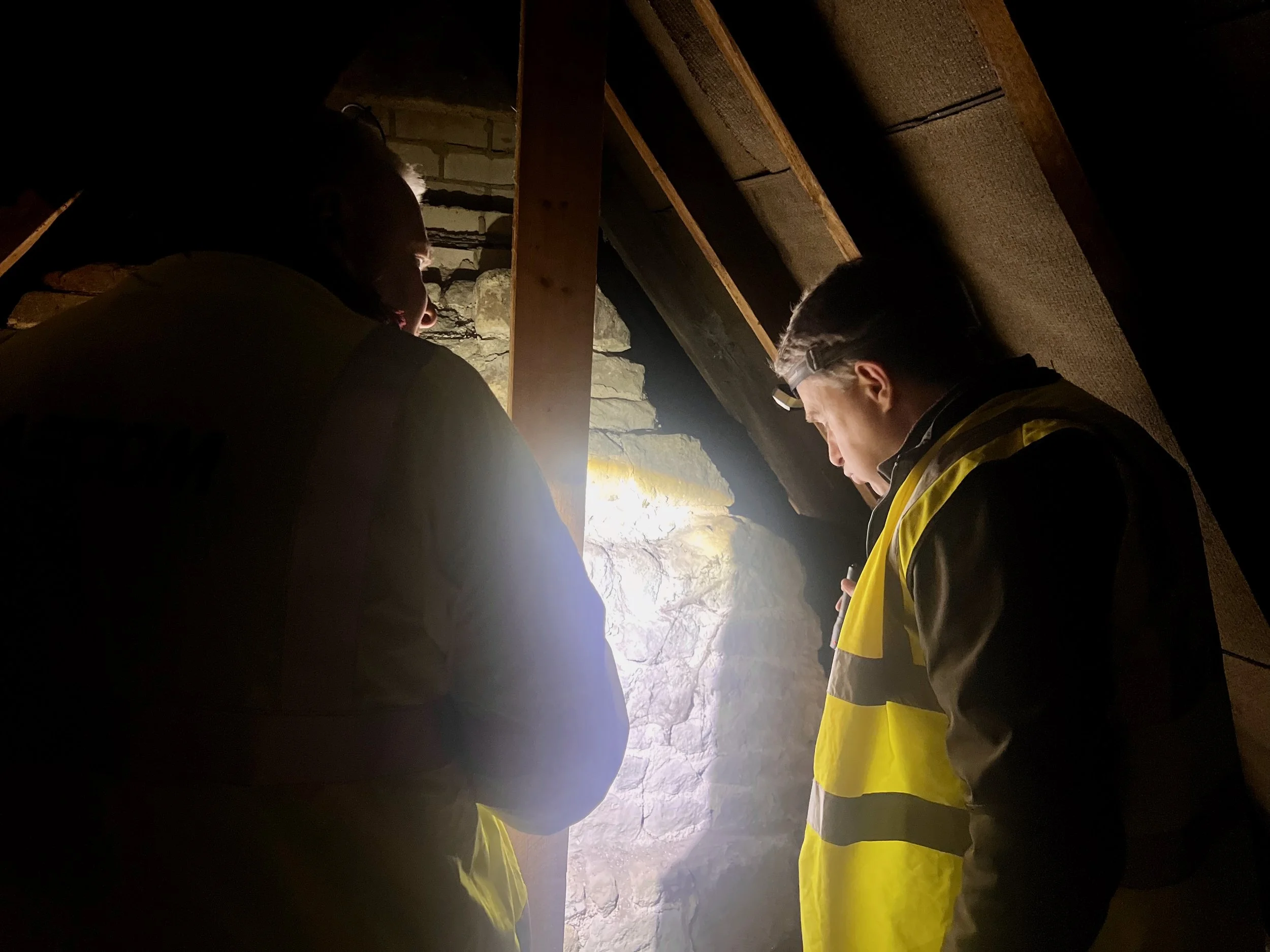
A bat survey is carried out to establish whether bats are using a building, structure or site that may be affected by development. Depending on the project and the risk identified, this can involve:
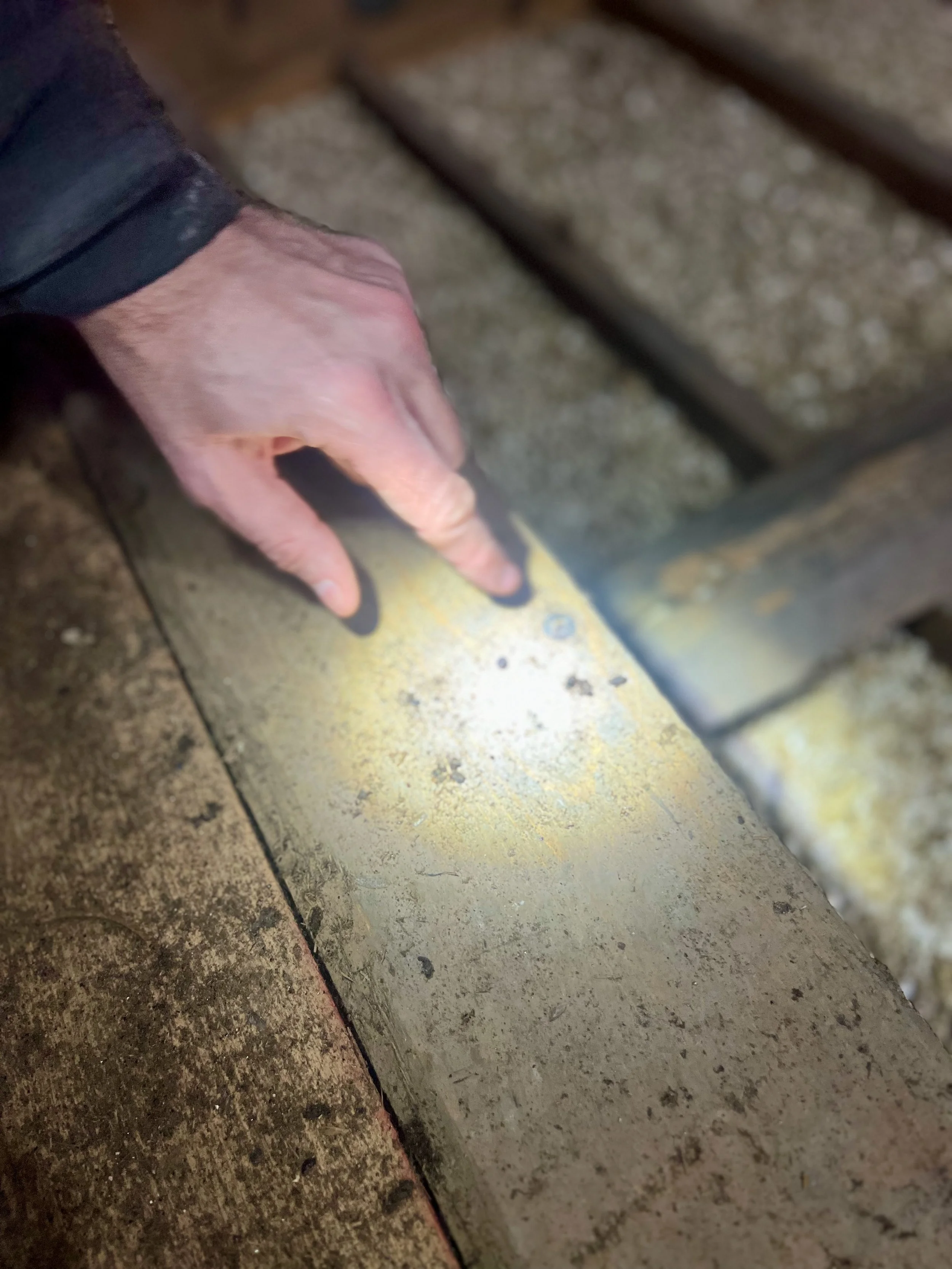
An initial assessment of the property called a preliminary roost assessment (PRA)
Further bat activity surveys at dusk, if needed
Not every site requires the same level of survey. The approach is always based on risk, not guesswork.
Why are bat surveys needed?
All bats and their roosts are legally protected in the UK. Planning authorities must be confident that a proposed development will not harm bats or their roosts before granting permission. A bat survey provides the evidence needed to make that decision. It is not about stopping development. It is about understanding whether bats could be affected and, if so, how that can be managed properly.
When is a bat survey likely to be required?
A bat survey is commonly needed if your project involves:
Loft conversions
Roof repairs or replacements
Demolition of buildings
Barn conversions
Alterations to older properties
Works to trees with potential roost features
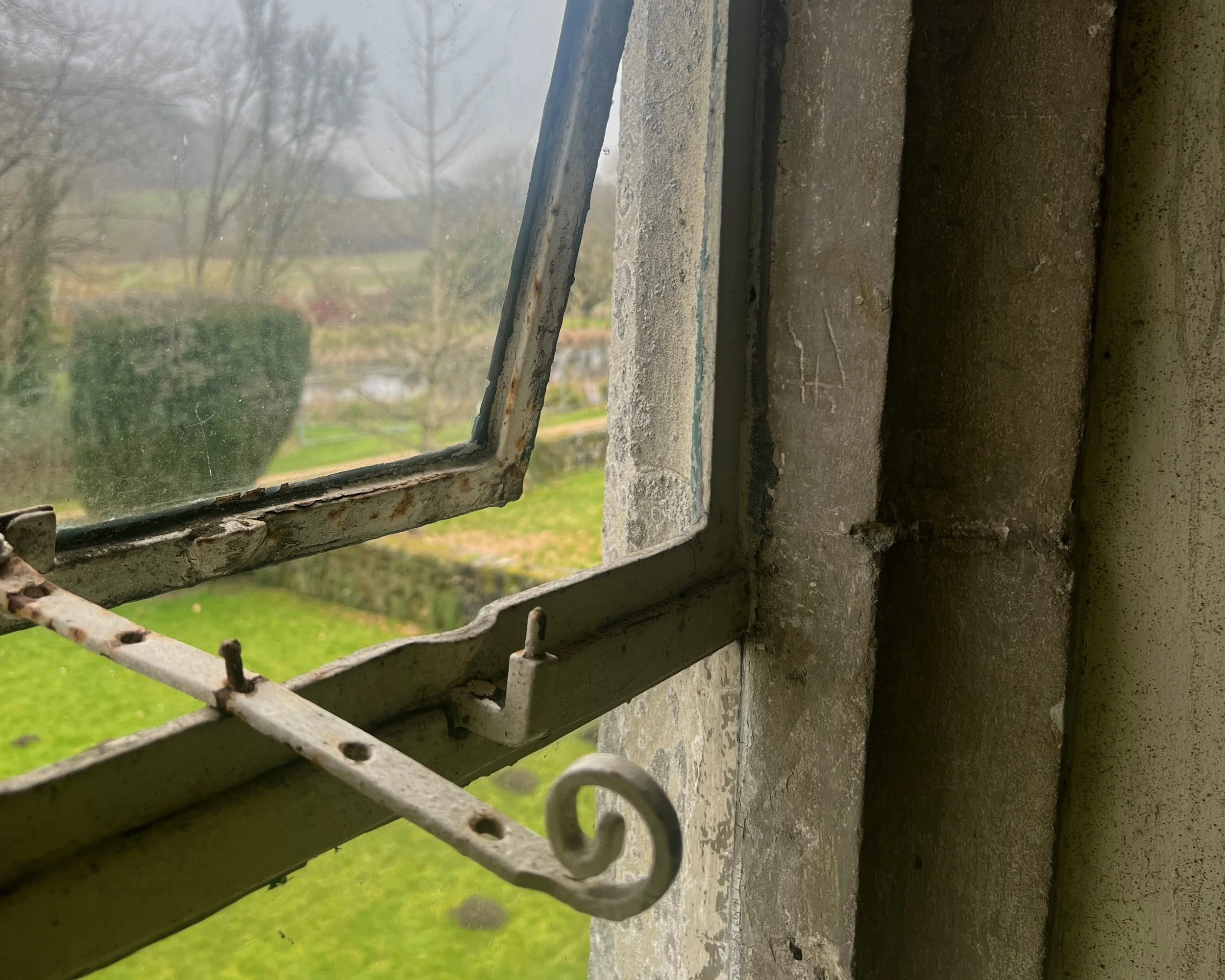
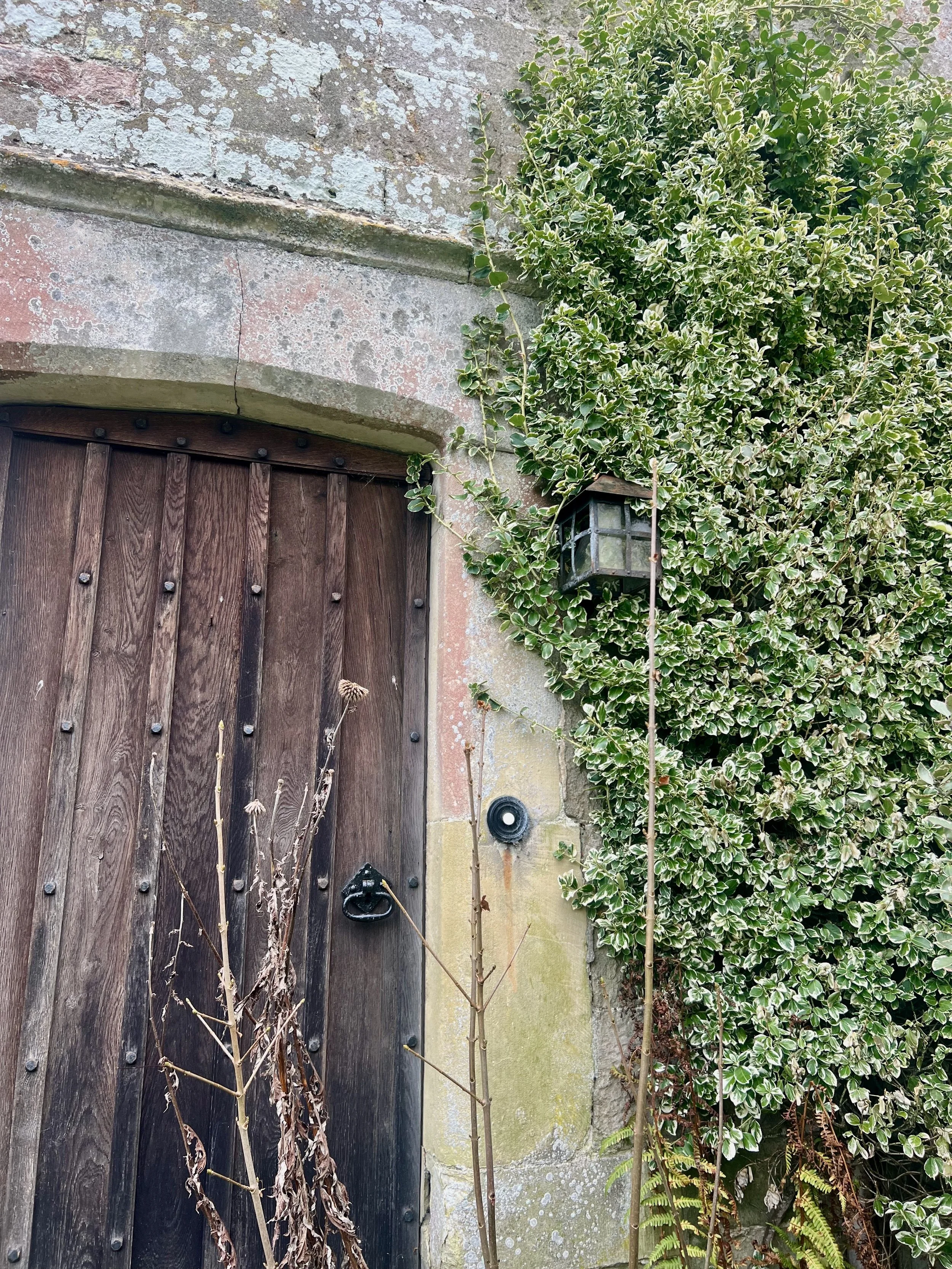
Buildings do not need to look derelict to be suitable for bats. Even well-maintained homes can provide roosting opportunities. If a structure has features such as gaps, tiles, timbers or cavities, it may need to be assessed.
When is a bat survey usually not required?
Bat surveys are often unnecessary for:
Internal-only works
Modern buildings with no access points or roost features
Projects far removed from suitable bat habitat
However, planning authorities usually expect applicants to show that bats have been considered, rather than ignoring ecology altogether. A short preliminary assessment is often enough to confirm that no further survey work is required.
What happens during a bat survey?
If there is reasonable potential for bats to be present, activity surveys around sunset may be recommended. These usually involve:
Enough surveyors attending to watch the whole of the property where the work is being done
Observing bat activity using specialist equipment
Recording how bats use the site
Do bat surveys have to be done at certain times of year?
Yes. Some bat surveys are seasonal and can only be carried out during the bat activity season.
This is one of the main reasons bat surveys sometimes cause frustration - not because they are complex, but because they are identified too late. Early ecological advice allows surveys to be planned at the right time and avoids unnecessary delays.
What if bats are found?
Finding bats does not usually mean a project cannot go ahead. In most cases, solutions are straightforward and proportionate, such as:
Adjusting the timing of works
Retaining access points or roost features
Installing bat boxes or alternative roosting provision
Applying for a licence, where required, for someone to supervise the works or mitigation measures
Bat surveys help design practical mitigation that works for both the project and the species involved.
Will a bat survey delay my planning application?
Only if it is left until late in the process. When bat surveys are considered early:
Planning applications progress more smoothly
Councils have the information they need upfront
Projects are less likely to be delayed or refused
The key is timing, not the survey itself.
What does a bat survey cost?
Costs vary depending on:
The size and complexity of the site
The level of survey required
Whether follow-up surveys are needed
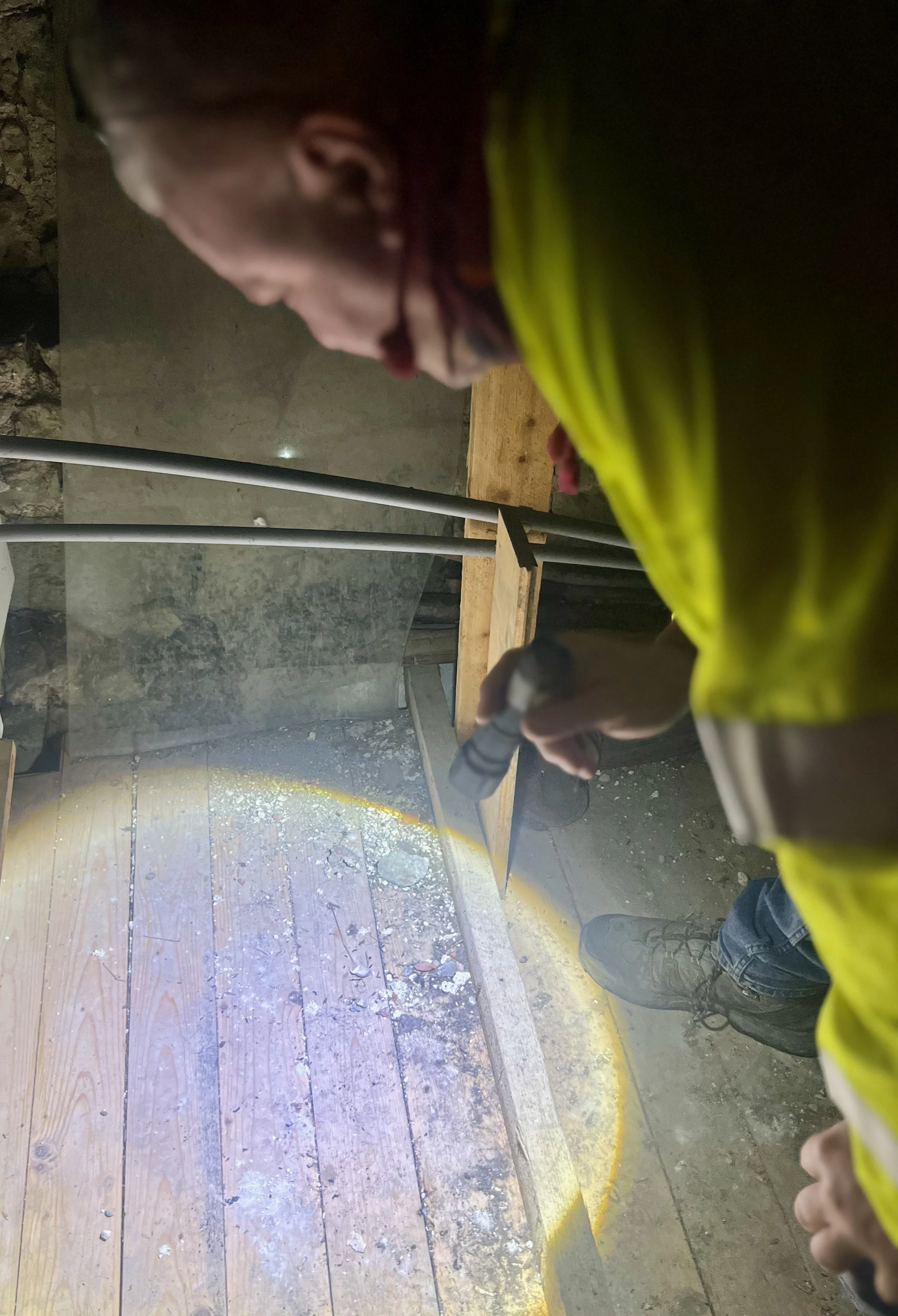
Many domestic projects only require a single daytime assessment. Clear advice at the outset helps avoid unnecessary survey work and unexpected costs.
Unsure whether you need a bat survey?
If you are uncertain whether a bat survey is required for your project, early advice is always worthwhile. A short discussion with an ecologist can often confirm:
Whether bats are likely to be an issue
What level of survey, if any, is needed
When surveys should be carried out
At Wessex Ecology, we make bat surveys clear, proportionate and well-timed - helping projects move forward with confidence rather than uncertainty. If you would like to discuss your site or proposed works, we are always happy to have an initial chat.